Special Web Offer - Get 50% OFF!
Grab Your Deal Now
PlantSnap
Plant Care
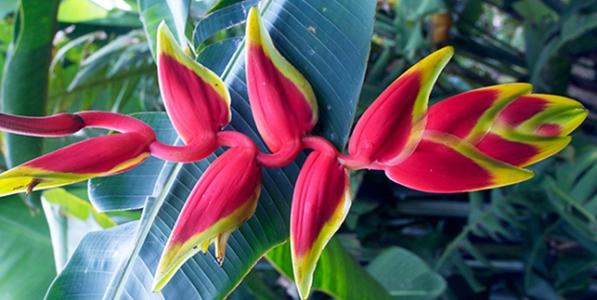
Hanging lobster claw
(Heliconia rostrata)
Also Known As
Hanging lobster claw, Lobster-claw, Rattlesnake plantain, Hummingbird flower, False bird-of-paradise
About This Plant
Heliconia rostrata is a species of flowering plant in the family Heliconiaceae. It is native to Central America and South America. The plant produces large, erect, lobster claw-shaped flowers that are a bright orange-red color with green tips.
Plant Care Instructions
Outdoor Size Range
10-15 feet (3-4.6 meters)
Light Requirements
Heliconia rostrata requires bright, indirect light. It can tolerate some direct sunlight, but too much can burn the leaves.
Humidity Needs
Heliconia rostrata prefers high humidity levels, ideally between 60-70%. It is recommended to mist the leaves regularly to maintain moisture levels.
Fertilizing Schedule
Heliconia rostrata requires regular feeding with a balanced fertilizer. It is recommended to fertilize every two weeks during the growing season, and once a month during the winter months.
Pruning Guidelines
The plant requires regular pruning to remove dead or damaged leaves and flowers. It is also important to remove any old flower stems to encourage new growth.
Common Pests and Diseases
Common pests for Heliconia rostrata include spider mites, mealybugs, and scale insects. It is important to regularly inspect the plant for signs of infestation and treat with an appropriate insecticide if necessary.
Indoor Size Range
6-8 feet (1.8-2.4 meters)
Watering Schedule
The plant requires consistent watering, with the soil kept moist but not waterlogged. It is important to avoid letting the soil dry out completely, as this can cause the plant to wilt and die.
Temperature Range
The plant prefers temperatures between 60-80°F (15-27°C). It is important to avoid exposing the plant to temperatures below 50°F (10°C), as this can cause damage to the leaves and flowers.
Growing Season
The plant can be grown year-round in tropical climates. In cooler climates, it is recommended to grow the plant indoors during the winter months.
Growing Difficulty Level
Heliconia rostrata is considered moderately difficult to grow. It requires consistent care and attention to maintain its health and appearance.
USDA Hardiness Zones
Heliconia rostrata is not frost-tolerant and is best suited for growing in USDA hardiness zones 10-12.
Did You Know?
The bright orange-red flowers of Heliconia rostrata are not only beautiful, but also serve an important purpose in the plant's ecosystem. They are a source of nectar for hummingbirds and other pollinators, helping to ensure the plant's survival.
