Special Web Offer - Get 50% OFF!
Grab Your Deal Now
PlantSnap
Plant Care
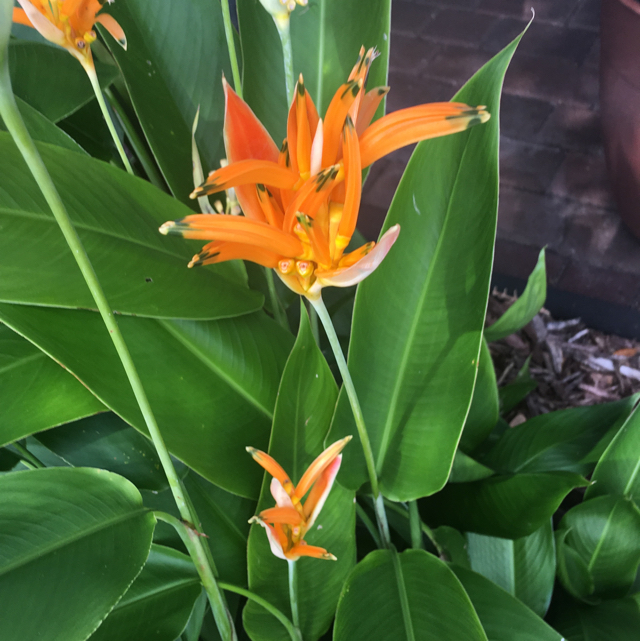
Parrot's beak
(Heliconia psittacorum)
Also Known As
Parrot's beak, Lobster claw, False bird of paradise
About This Plant
Heliconia psittacorum is a species of flowering plant in the family Heliconiaceae. It is a clumping perennial that is native to Central and South America. The plant produces bright-colored bracts that resemble bird beaks, which is why it is commonly called the Parrot's Beak or Parakeet Flower.
Plant Care Instructions
Outdoor Size Range
3-10 feet (91-305 cm) tall and 2-6 feet (61-183 cm) wide
Light Requirements
Heliconia psittacorum grows best in bright, indirect light. It can tolerate some direct sunlight, but too much can scorch the leaves.
Humidity Needs
Heliconia psittacorum prefers high humidity levels of at least 60%. It can benefit from regular misting or being placed on a humidity tray.
Fertilizing Schedule
Feed Heliconia psittacorum every 2-3 weeks during the growing season with a balanced fertilizer. Reduce feeding during the winter months.
Pruning Guidelines
Remove spent flowers and yellowing leaves as needed. Cut back the entire plant to 6 inches (15 cm) above the ground in late winter or early spring to encourage new growth.
Common Pests and Diseases
Common pests include spider mites, mealybugs, and scale insects. Diseases such as leaf spot and root rot can occur with overwatering.
Indoor Size Range
3-6 feet (91-183 cm) tall and 2-4 feet (61-122 cm) wide
Watering Schedule
The plant requires consistently moist soil, but not waterlogged. Water thoroughly when the top inch of soil feels dry to the touch.
Temperature Range
The plant prefers warm temperatures between 65-85°F (18-29°C). It can tolerate occasional dips in temperature, but not frost.
Growing Season
Heliconia psittacorum can be grown year-round in tropical climates. In temperate regions, it can be grown outdoors during the summer months and brought indoors for the winter.
Growing Difficulty Level
Heliconia psittacorum is moderately difficult to grow. It requires high humidity and consistent moisture, and can be sensitive to temperature changes. However, with proper care, it can be a rewarding plant to grow.
USDA Hardiness Zones
Heliconia psittacorum is not frost tolerant and can be grown outdoors in USDA hardiness zones 10-12.
Did You Know?
The bright-colored bracts of Heliconia psittacorum are not actually flowers, but modified leaves that attract pollinators to the plant's small, inconspicuous flowers.
