Special Web Offer - Get 50% OFF!
Grab Your Deal Now
PlantSnap
Plant Care
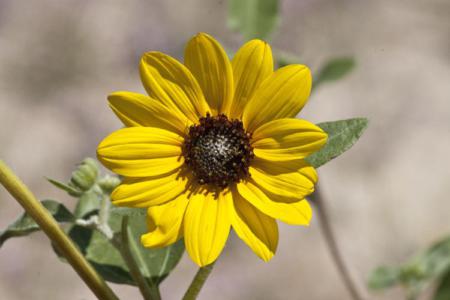
Prairie sunflower
(Helianthus petiolaris)
Also Known As
Prairie sunflower, Sticky sunflower, Petioled sunflower
About This Plant
Helianthus petiolaris, commonly known as Prairie Sunflower, is a species of sunflower native to the central United States. It is a perennial plant that can grow up to 6 feet (1.8 meters) tall and 3 feet (0.9 meters) wide. The plant produces yellow flowers with dark centers that bloom in the summer and fall.
Plant Care Instructions
Outdoor Size Range
Height: 3-6 feet (0.9-1.8 meters) | Width: 2-3 feet (0.6-0.9 meters)
Light Requirements
Prairie Sunflowers require full sun exposure to grow and bloom properly. They need at least 6 hours of direct sunlight per day.
Humidity Needs
Prairie Sunflowers prefer low humidity levels and can tolerate dry air.
Fertilizing Schedule
The plant does not require fertilizer, but you can apply a balanced fertilizer in early spring to promote growth.
Pruning Guidelines
Prune the plant in the spring to remove any dead or damaged leaves or branches. Pinch back the stems in early summer to encourage bushier growth and more flowers.
Common Pests and Diseases
Prairie Sunflowers are relatively pest-free, but they can be affected by aphids, spider mites, and powdery mildew.
Indoor Size Range
Not suitable for indoor growth
Watering Schedule
The plant is drought-tolerant and requires infrequent watering. Water the plant deeply once a week during the growing season and reduce watering during the winter.
Temperature Range
The plant can survive in a wide range of temperatures, from -30°F (-34°C) to 100°F (38°C).
Growing Season
The growing season for Prairie Sunflowers is from late spring to early fall.
Growing Difficulty Level
Prairie Sunflowers are easy to grow and low maintenance, making them a great choice for beginner gardeners.
USDA Hardiness Zones
Prairie Sunflowers are hardy in USDA zones 4-9.
Did You Know?
Prairie Sunflowers are known for their ability to follow the sun across the sky, a phenomenon known as heliotropism. The flowers face east in the morning and follow the sun as it moves across the sky, facing west in the afternoon.
