Special Web Offer - Get 50% OFF!
Grab Your Deal Now
PlantSnap
Plant Care
Cutleaf sunflower
(Helianthus laciniatus)
Also Known As
Cutleaf sunflower, Cleftleaf sunflower, Serrated sunflower
About This Plant
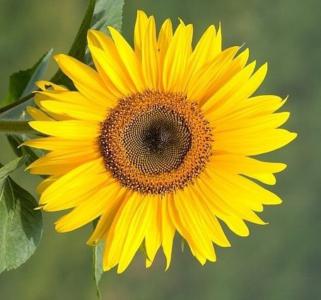
Helianthus laciniatus, commonly known as the 'Fishtail Sunflower', is a species of sunflower native to North America. It is a tall, herbaceous perennial plant with large, showy yellow flowers and deeply lobed leaves.
Plant Care Instructions
Outdoor Size Range
48-72 inches (122-183 cm) tall and 24-36 inches (61-91 cm) wide
Light Requirements
Fishtail Sunflowers require full sun to thrive, meaning they need at least six hours of direct sunlight per day.
Humidity Needs
This plant species does not require high humidity levels and can tolerate dry air.
Fertilizing Schedule
Fertilize in the spring with a balanced, slow-release fertilizer. Avoid over-fertilization as it can cause the plant to become too tall and flop over.
Pruning Guidelines
Pinch back the stems in early summer to encourage bushiness and prevent flopping. Deadhead spent flowers to encourage more blooms.
Common Pests and Diseases
Fishtail Sunflowers are relatively pest and disease-free, but they can be susceptible to aphids and powdery mildew.
Indoor Size Range
Not suitable for indoor cultivation
Watering Schedule
Water regularly, keeping the soil moist but not waterlogged. During hot, dry spells, increase watering frequency.
Temperature Range
Fishtail Sunflowers prefer warm temperatures and can tolerate heat well. They can be grown in USDA hardiness zones 4-9.
Growing Season
Fishtail Sunflowers typically bloom from mid-summer to early fall.
Growing Difficulty Level
Fishtail Sunflowers are relatively easy to grow, making them a great choice for beginner gardeners.
USDA Hardiness Zones
4-9
Did You Know?
The Fishtail Sunflower gets its name from the shape of its leaves, which resemble the tail of a fish.
