Special Web Offer - Get 50% OFF!
Grab Your Deal Now
PlantSnap
Plant Care
Florida sunflower
(Helianthus floridanus)
Also Known As
Florida sunflower, Wild sunflower
About This Plant
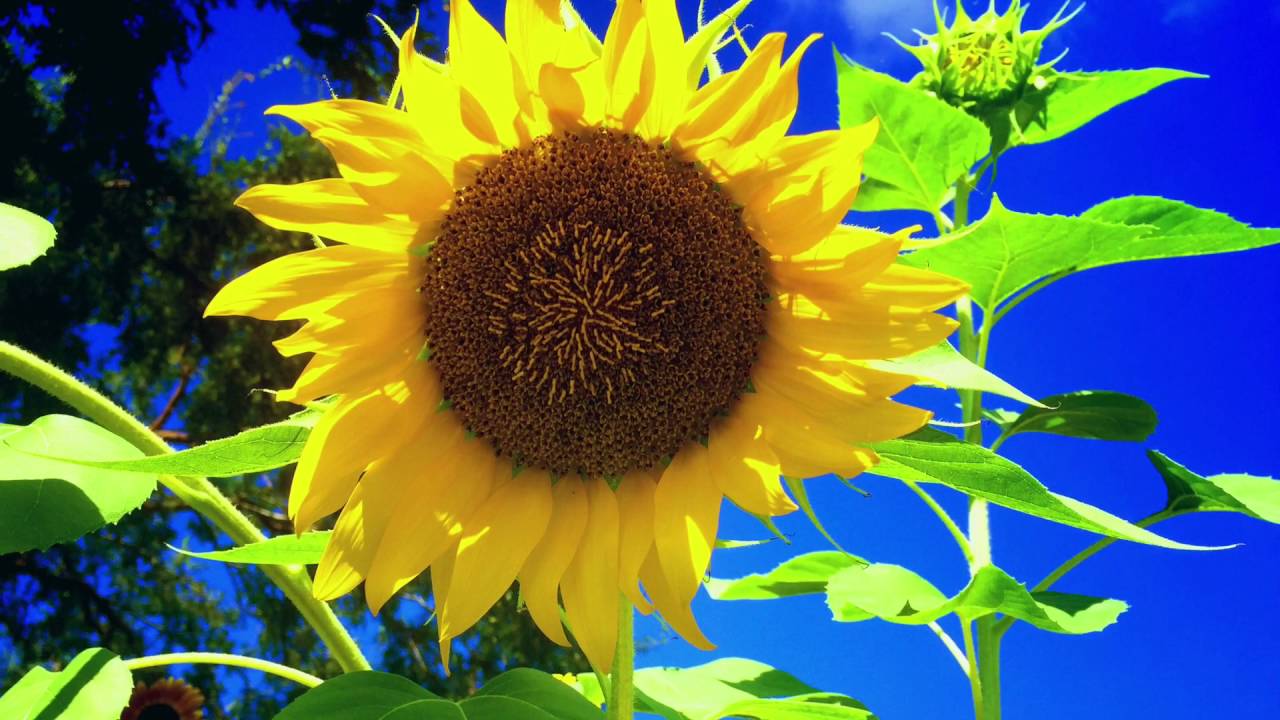
Helianthus floridanus is a species of sunflower that is native to the southeastern United States. It typically grows to a height of 3-6 feet (0.9-1.8 meters) and produces bright yellow flowers with dark centers. The plant is known for its ability to attract pollinators, such as bees and butterflies.
Plant Care Instructions
Outdoor Size Range
3-6 feet (0.9-1.8 meters)
Light Requirements
Helianthus floridanus requires full sun to grow and bloom properly. It needs at least 6 hours of direct sunlight per day.
Humidity Needs
This plant species is not particularly sensitive to humidity. Average humidity levels are sufficient for its growth.
Fertilizing Schedule
The Florida Sunflower is not a heavy feeder and does not require a lot of fertilizer. A balanced fertilizer can be applied once a month during the growing season.
Pruning Guidelines
Prune the plant in the late fall or early spring to control its size and shape. Deadhead spent flowers to encourage more blooms.
Common Pests and Diseases
Common pests and diseases for this plant species include aphids, spider mites, and powdery mildew.
Indoor Size Range
Not suitable for indoor growth
Watering Schedule
The Florida Sunflower prefers well-draining soil and does not like to be overwatered. Water the plant deeply once a week, or more often during periods of drought.
Temperature Range
Helianthus floridanus prefers warm temperatures and cannot tolerate frost. It grows best in temperatures between 60-85°F (15.5-29.4°C).
Growing Season
The growing season for Helianthus floridanus is from late spring to early fall.
Growing Difficulty Level
Helianthus floridanus is relatively easy to grow and care for. It is a hardy plant that can tolerate a range of growing conditions.
USDA Hardiness Zones
Helianthus floridanus is hardy in USDA zones 8-11.
Did You Know?
The Florida Sunflower is an important source of food for many species of birds, including finches and sparrows.
