Special Web Offer - Get 50% OFF!
Grab Your Deal Now
PlantSnap
Plant Care
Wild sunflower
(Helianthus divariserratus)
Also Known As
Wild sunflower, Eastern sunflower, Divided sunflower
About This Plant
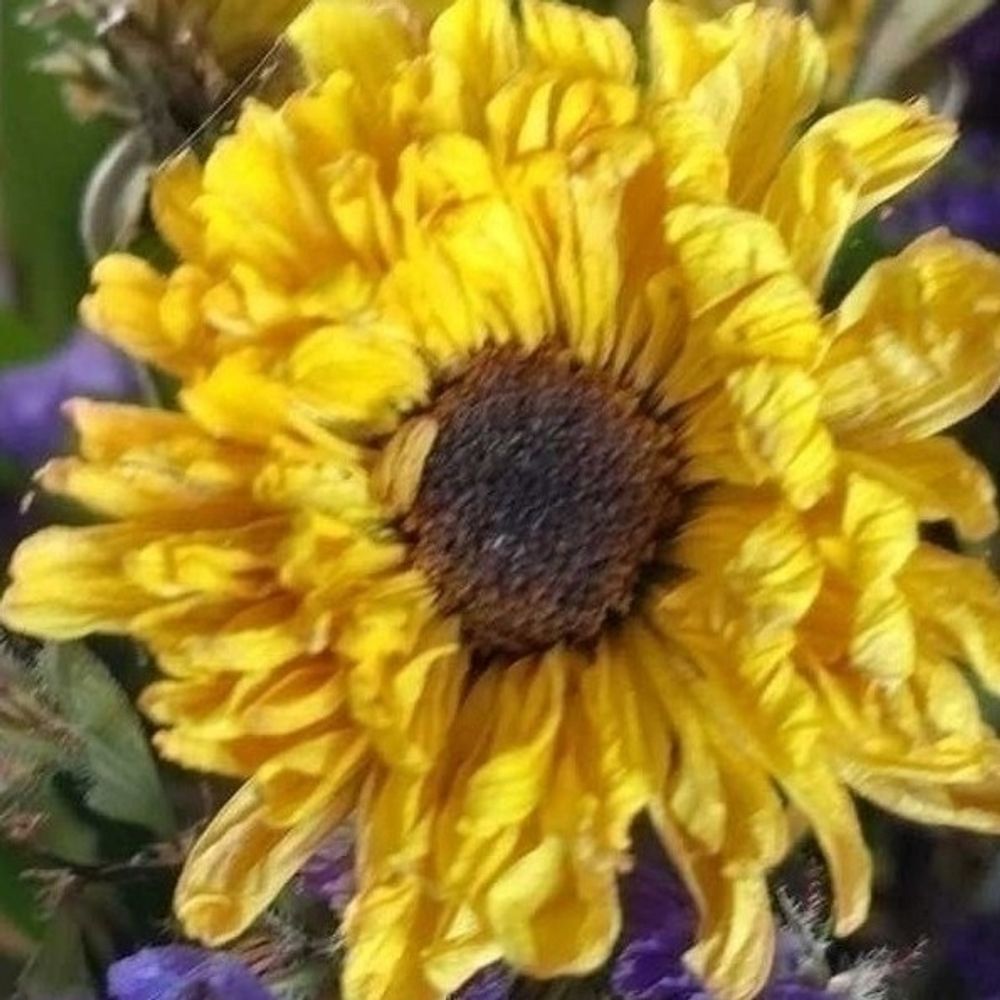
Helianthus divariserratus is a species of sunflower native to the southeastern United States. It is a perennial herbaceous plant that can grow up to 2 meters tall. The leaves are simple, alternate, and lanceolate, with serrated edges. The flowers are yellow and have a central disk surrounded by numerous ray florets.
Plant Care Instructions
Outdoor Size Range
3-6 feet (0.9-1.8 meters) tall and 2-3 feet (0.6-0.9 meters) wide
Light Requirements
Sawtooth sunflowers require full sun for optimal growth and flowering. They need at least 6 hours of direct sunlight per day.
Humidity Needs
Sawtooth sunflowers do not have any specific humidity requirements.
Fertilizing Schedule
Sawtooth sunflowers do not require fertilization, but they can benefit from a balanced fertilizer applied in early spring.
Pruning Guidelines
Sawtooth sunflowers do not require pruning, but deadheading spent flowers can promote more blooms.
Common Pests and Diseases
Sawtooth sunflowers are generally not prone to serious pest or disease problems. However, they can be susceptible to powdery mildew and rust.
Indoor Size Range
Not suitable for indoor growth
Watering Schedule
Sawtooth sunflowers prefer well-draining soils and require regular watering, especially during dry periods. However, they can tolerate some drought once established.
Temperature Range
Sawtooth sunflowers are hardy in USDA zones 5-9 and can tolerate a wide range of temperatures. They can survive in temperatures as low as -20°F (-29°C) and as high as 100°F (38°C).
Growing Season
Sawtooth sunflowers bloom from mid-summer to early fall, typically from July to September.
Growing Difficulty Level
Sawtooth sunflowers are relatively easy to grow and maintain, making them a good choice for both novice and experienced gardeners.
USDA Hardiness Zones
5-9
Did You Know?
The Sawtooth sunflower is named after the serrated edges of its leaves, which resemble the teeth of a saw.
