Special Web Offer - Get 50% OFF!
Grab Your Deal Now
PlantSnap
Plant Care
Kavin's hibiscus
(Hibiscus kavinae)
Also Known As
Kavin's hibiscus, Kavina hibiscus, Sea hibiscus
About This Plant
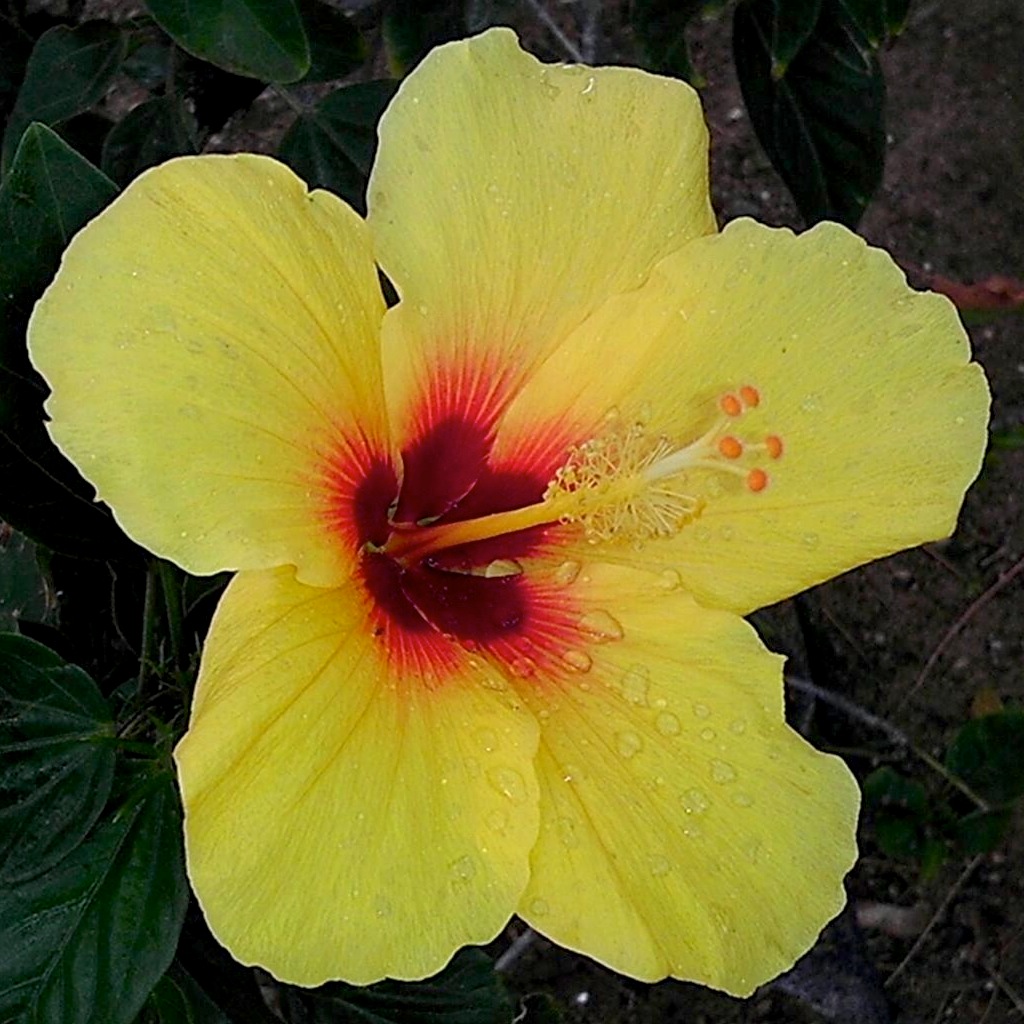
Hibiscus kavinae is a species of flowering plant in the mallow family, Malvaceae. It is a small tree or shrub that can reach up to 5 meters in height. The plant is known for its large and showy flowers, which can be up to 15 cm in diameter. The flowers come in shades of pink, red, orange, and yellow, and have a distinctive trumpet shape. The leaves are green and glossy, and the bark is gray and smooth.
Plant Care Instructions
Outdoor Size Range
6-15 feet (183-457 cm)
Light Requirements
Hibiscus kavinae prefers full sun to partial shade. It needs at least 6 hours of direct sunlight per day.
Humidity Needs
Hibiscus kavinae prefers moderate to high humidity levels. It can benefit from misting or a humidifier, especially in dry climates.
Fertilizing Schedule
Hibiscus kavinae should be fertilized regularly during the growing season with a balanced fertilizer. It can benefit from a high-phosphorus fertilizer to encourage blooming.
Pruning Guidelines
The plant can be pruned in the early spring to control its shape and size. Dead or diseased branches should be removed as soon as they are noticed.
Common Pests and Diseases
Hibiscus kavinae can be susceptible to aphids, spider mites, and whiteflies. It can also be affected by fungal diseases such as powdery mildew and rust.
Indoor Size Range
3-6 feet (91-183 cm)
Watering Schedule
The plant should be watered regularly, but not overwatered. The soil should be kept moist, but not waterlogged. The plant should be allowed to dry out slightly between waterings.
Temperature Range
The plant prefers warm temperatures between 60-90°F (15-32°C). It cannot tolerate frost or temperatures below 50°F (10°C).
Growing Season
The plant can be grown year-round in tropical climates. In colder climates, it can be grown outdoors during the summer months and brought indoors during the winter.
Growing Difficulty Level
Hibiscus kavinae can be moderately difficult to grow. It requires specific growing conditions, such as warm temperatures, high humidity, and regular fertilization. It can also be prone to pests and diseases.
USDA Hardiness Zones
Hibiscus kavinae is hardy in USDA zones 9-11.
Did You Know?
In traditional medicine, Hibiscus kavinae has been used to treat a variety of ailments, including fever, cough, and sore throat.
