Special Web Offer - Get 50% OFF!
Grab Your Deal Now
PlantSnap
Plant Care
Lin-leaved rue
(Haplophyllum linifolium)
Also Known As
Lin-leaved rue, Flaxleaf haplophyllum, Linear-leaved haplophyllum
About This Plant
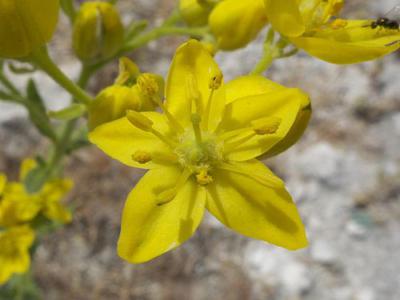
Haplophyllum linifolium is a flowering plant species native to the Mediterranean region. It is a small shrub with linear leaves and yellow flowers that bloom in the summer.
Plant Care Instructions
Outdoor Size Range
24-36 inches (60-90 cm)
Light Requirements
Haplophyllum linifolium prefers full sun to partial shade. It requires at least 6 hours of direct sunlight per day.
Humidity Needs
Haplophyllum linifolium prefers low to moderate humidity levels. It can tolerate dry air but may benefit from occasional misting during hot and dry periods.
Fertilizing Schedule
Haplophyllum linifolium does not require frequent fertilization. Apply a balanced fertilizer once a month during the growing season.
Pruning Guidelines
Haplophyllum linifolium benefits from occasional pruning to maintain its shape and promote bushier growth. Prune after flowering to avoid removing flower buds.
Common Pests and Diseases
Haplophyllum linifolium is relatively pest-resistant. However, it may be susceptible to spider mites and scale insects.
Indoor Size Range
12-18 inches (30-45 cm)
Watering Schedule
Haplophyllum linifolium prefers well-draining soil and moderate watering. Water the plant when the top inch of soil is dry to the touch.
Temperature Range
Haplophyllum linifolium prefers warm temperatures between 60-85°F (15-29°C). It can tolerate slightly cooler temperatures but is not frost-tolerant.
Growing Season
Haplophyllum linifolium grows best during the spring and summer months.
Growing Difficulty Level
Haplophyllum linifolium is relatively easy to grow and maintain.
USDA Hardiness Zones
Haplophyllum linifolium is hardy in USDA zones 9-11.
Did You Know?
Haplophyllum linifolium has been used in traditional medicine for its anti-inflammatory and antispasmodic properties.