Special Web Offer - Get 50% OFF!
Grab Your Deal Now
PlantSnap
Plant Care
Mountain silverbell
(Halesia tetraptera monticola)
Also Known As
Mountain silverbell, Appalachian silverbell, Four-winged silverbell
About This Plant
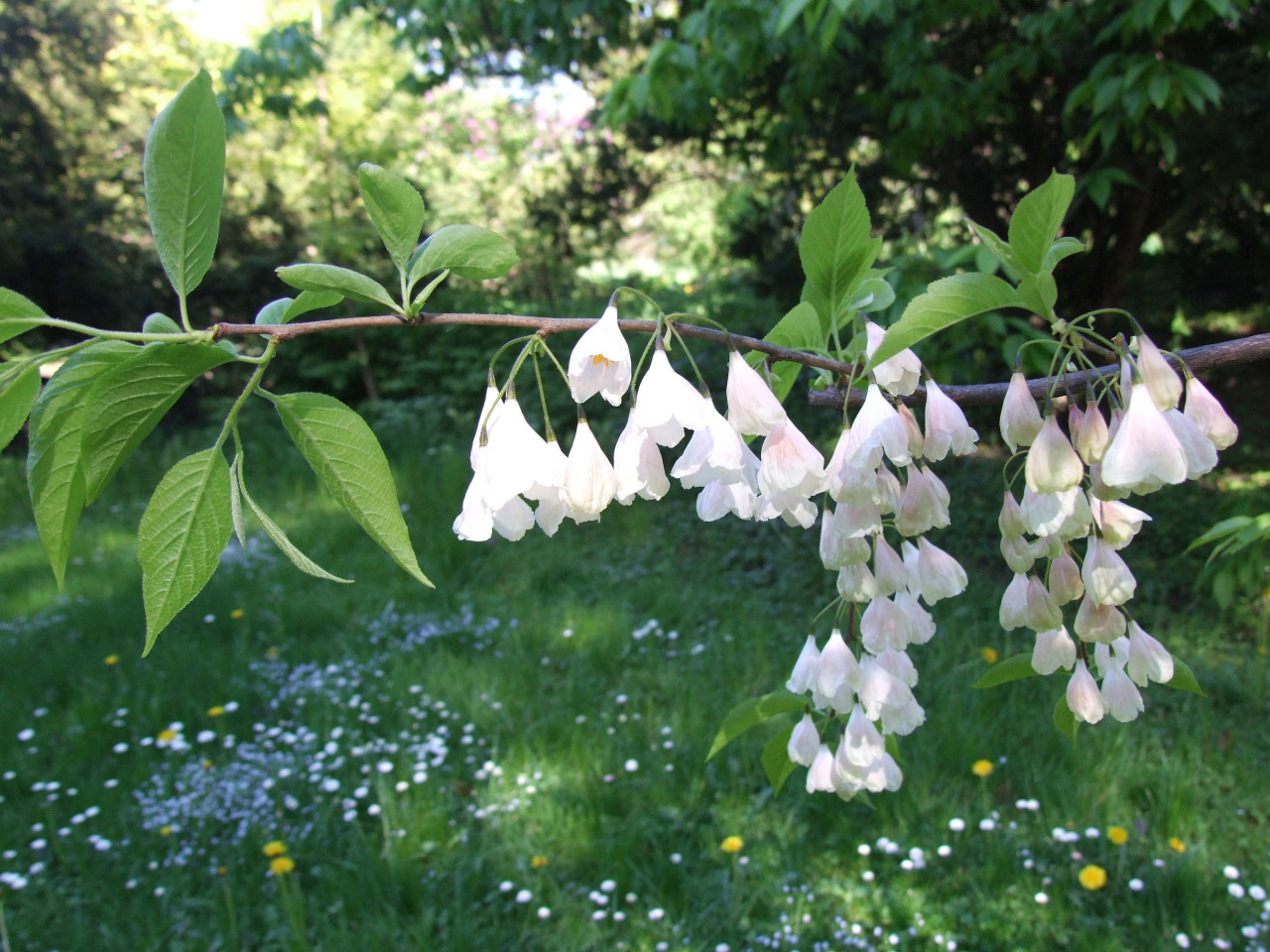
Halesia tetraptera monticola is a deciduous tree that can grow up to 30 feet (9.1 meters) tall and 20 feet (6.1 meters) wide. It has a rounded crown and its bark is gray and smooth when young, becoming rough and furrowed with age. The leaves are ovate and 2-4 inches (5-10 cm) long, with a serrated margin and a pointed tip. In spring, it produces clusters of white, bell-shaped flowers that hang down from the branches. These flowers are followed by four-winged fruit capsules that ripen in the fall.
Plant Care Instructions
Outdoor Size Range
Up to 30 feet (9.1 meters) tall and 20 feet (6.1 meters) wide
Light Requirements
Mountain Silverbell prefers partial shade to full sun. It can tolerate some shade, but too much shade will reduce flowering. In hot climates, it benefits from some afternoon shade.
Humidity Needs
Mountain Silverbell prefers moderate to high humidity. It benefits from regular misting during hot, dry weather.
Fertilizing Schedule
Mountain Silverbell does not require much fertilizer. A light application of balanced fertilizer in early spring can help promote growth and flowering.
Pruning Guidelines
Mountain Silverbell requires little pruning, but dead or damaged branches should be removed in late winter or early spring. It can also be lightly pruned after flowering to maintain its shape.
Common Pests and Diseases
Mountain Silverbell is relatively pest-free, but it can be susceptible to leaf spot and powdery mildew. These can be treated with fungicides if necessary.
Indoor Size Range
Not suitable for indoor growth
Watering Schedule
Mountain Silverbell prefers consistently moist soil, but not waterlogged soil. It does not tolerate drought well, so it is important to water it regularly during dry periods.
Temperature Range
Mountain Silverbell is hardy in USDA zones 5-8. It prefers cool to moderate temperatures and does not tolerate extreme heat well.
Growing Season
Mountain Silverbell typically blooms in late spring to early summer, depending on the climate. Its growing season is from spring to fall.
Growing Difficulty Level
Mountain Silverbell is moderately difficult to grow. It requires consistent moisture and can be sensitive to heat and drought. It also benefits from regular pruning and may require some pest control measures.
USDA Hardiness Zones
USDA hardiness zones 5-8
Did You Know?
The name 'Halesia' honors Stephen Hales, an English clergyman and scientist who was one of the first people to measure the rate of sap flow in plants.