Special Web Offer - Get 50% OFF!
Grab Your Deal Now
PlantSnap
Plant Care
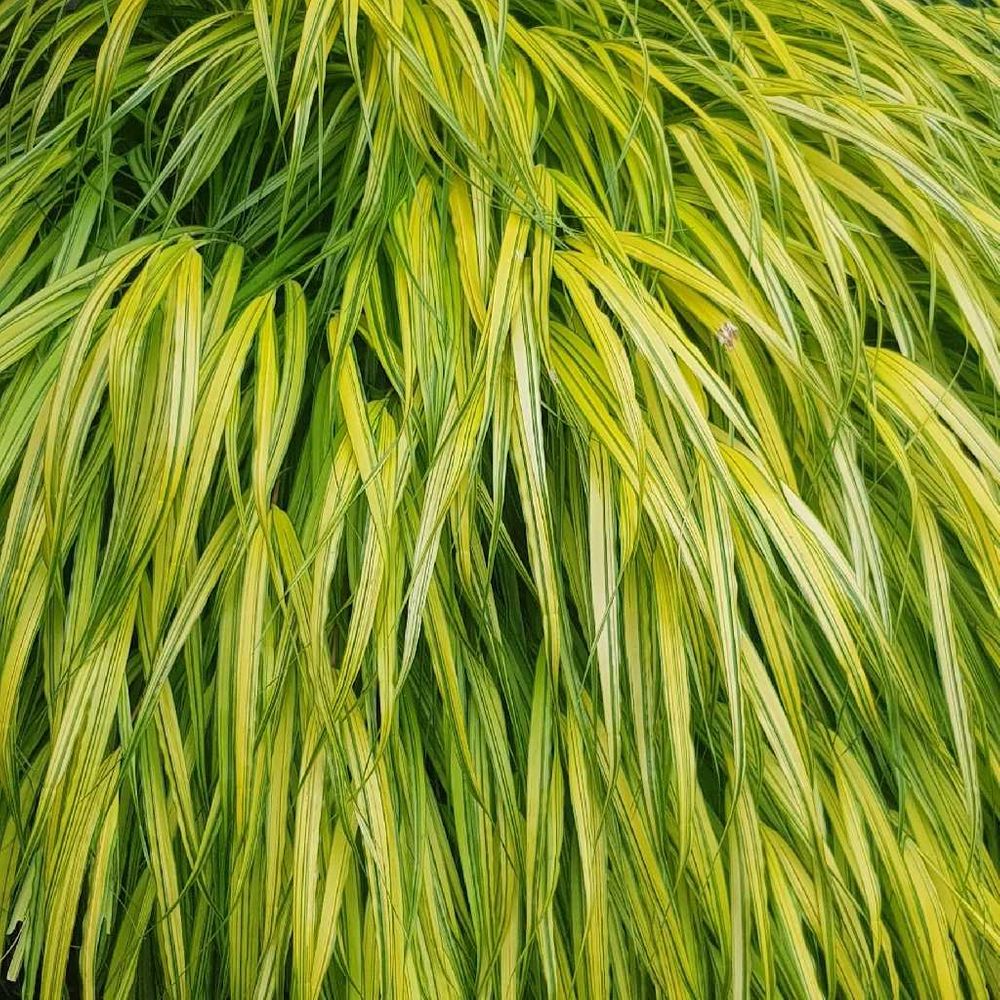
Hakone grass
(Hakonechloa macra)
Also Known As
Hakone grass, Japanese forest grass
About This Plant
Hakonechloa macra is a species of perennial grass native to Japan. It is a low-growing, clump-forming grass with narrow, arching leaves that are green in the summer and turn shades of yellow, orange, and red in the fall.
Plant Care Instructions
Outdoor Size Range
12-18 inches (30-45 cm)
Light Requirements
Hakonechloa macra prefers partial shade to full shade. Direct sunlight can scorch the leaves.
Humidity Needs
Hakonechloa macra prefers high humidity, so misting the leaves with water can help keep it healthy.
Fertilizing Schedule
Fertilize Hakonechloa macra in the spring with a balanced fertilizer. Avoid fertilizing in the fall, as this can make the grass more susceptible to winter damage.
Pruning Guidelines
Prune Hakonechloa macra in the early spring before new growth appears. Cut back any dead or damaged leaves, and trim back any overgrown areas.
Common Pests and Diseases
Hakonechloa macra is relatively pest-free, but can be susceptible to grasshoppers and slugs.
Indoor Size Range
6-12 inches (15-30 cm)
Watering Schedule
Water regularly to keep the soil moist but not waterlogged. Avoid letting the soil dry out completely.
Temperature Range
This grass prefers cool temperatures, and will struggle in hot, dry conditions. Ideal temperatures are between 60-75°F (15-24°C).
Growing Season
Hakonechloa macra grows best in the spring and fall, and may go dormant in the heat of the summer.
Growing Difficulty Level
Hakonechloa macra is considered easy to grow, as long as it is given the right conditions.
USDA Hardiness Zones
Hakonechloa macra is hardy in USDA zones 5-9.
Did You Know?
Hakonechloa macra is named after Mount Hakone in Japan, where it is commonly found growing in the wild.