Special Web Offer - Get 50% OFF!
Grab Your Deal Now
PlantSnap
Plant Care
Hairy cat's ear
(Hypochaeris radicata)
Also Known As
Hairy cat's ear, Cat's ear, Flatweed, Hawkbit, Yellow dandelion
About This Plant
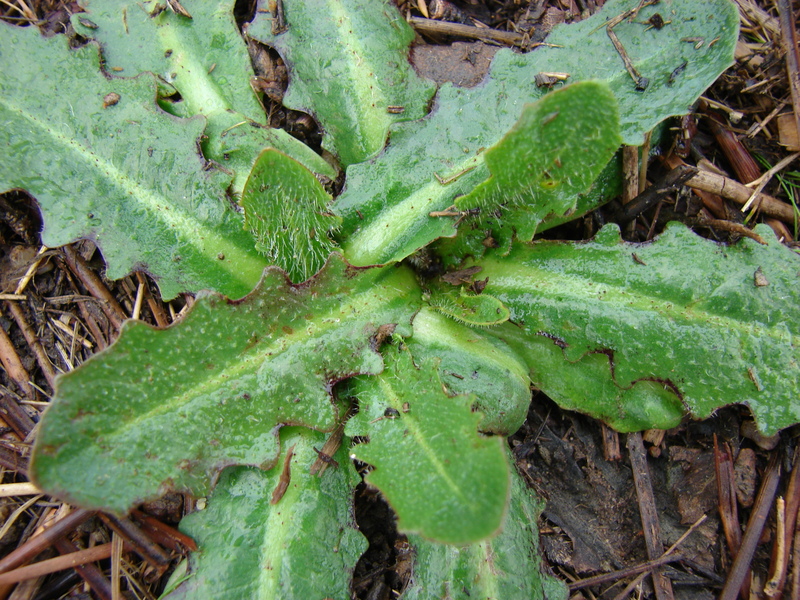
Hypochaeris radicata is a perennial plant species that is commonly known as the catsear or flatweed. It has a rosette of leaves at the base of the plant and long, narrow stems that produce yellow dandelion-like flowers. The plant is native to Europe but has been naturalized in many other parts of the world.
Plant Care Instructions
Outdoor Size Range
Height: 4-16 inches (10-40 cm), Spread: 8-16 inches (20-40 cm)
Light Requirements
Catsear plants prefer full sun to partial shade, and can tolerate a wide range of light conditions.
Humidity Needs
Catsear plants can tolerate a wide range of humidity levels and do not require any special humidity conditions.
Fertilizing Schedule
These plants do not require fertilizer, but can benefit from a light application of a balanced fertilizer in the spring.
Pruning Guidelines
Catsear plants do not require pruning, but deadheading spent flowers can help to promote continued blooming.
Common Pests and Diseases
Catsear plants are generally resistant to pests and diseases, but can occasionally be affected by aphids or powdery mildew.
Indoor Size Range
N/A
Watering Schedule
These plants prefer well-draining soil and do not like to be overwatered. Water when the top inch of soil feels dry to the touch.
Temperature Range
These plants are hardy and can tolerate a wide range of temperatures. They are best suited to USDA hardiness zones 3-9.
Growing Season
Catsear plants bloom from late spring to early fall.
Growing Difficulty Level
Catsear plants are easy to grow and require minimal maintenance.
USDA Hardiness Zones
3-9
Did You Know?
The leaves of the catsear plant are edible and can be used in salads or cooked like spinach. They are rich in vitamins and minerals, including vitamin C and iron.
