Special Web Offer - Get 50% OFF!
Grab Your Deal Now
PlantSnap
Plant Care
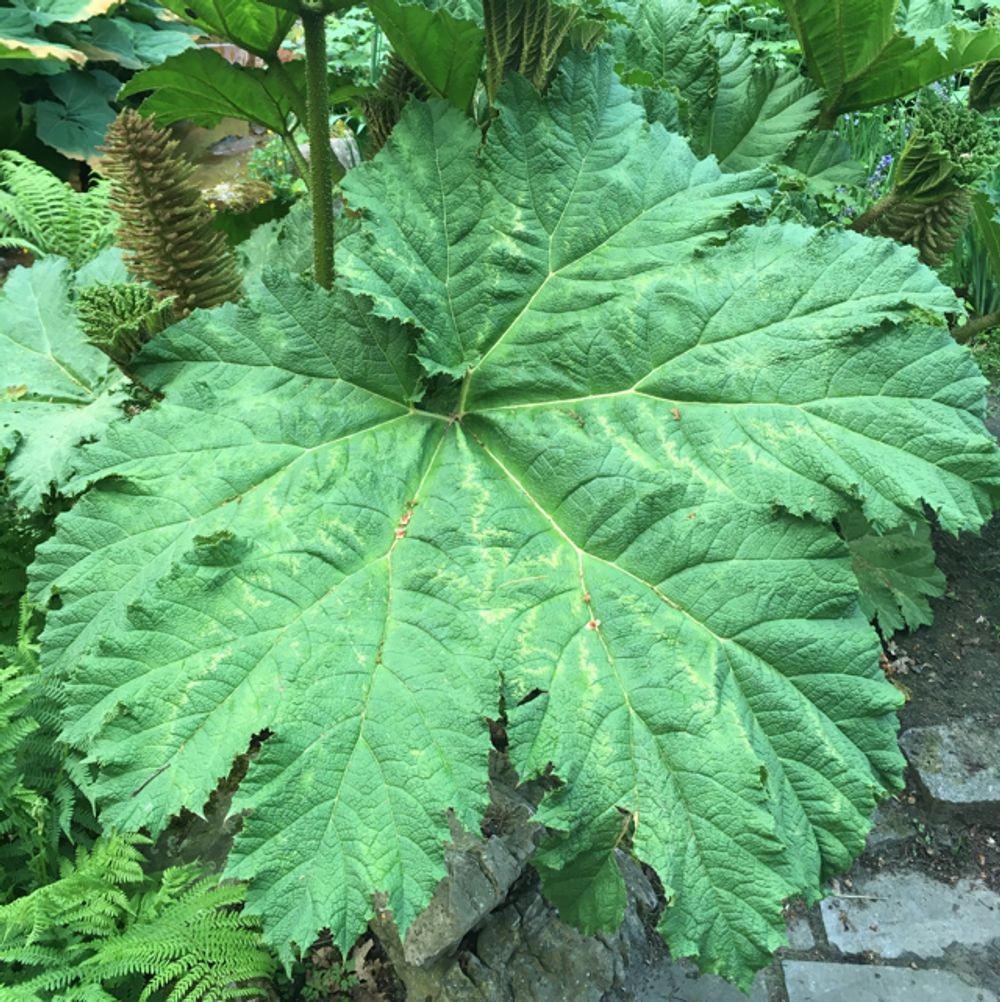
Giant rhubarb
(Gunnera manicata)
Also Known As
Giant rhubarb, Elephant ear, Giant gunnera
About This Plant
Gunnera manicata is a large-leaved perennial plant that is native to the damp areas of Brazil, Colombia, and Costa Rica. It is known for its giant leaves, with some reaching up to 10 feet (3 meters) in diameter. The leaves are deeply lobed and have a textured surface that resembles the skin of an elephant. The plant produces small, reddish-brown flowers that are arranged in long spikes that can grow up to 6 feet (1.8 meters) tall.
Plant Care Instructions
Outdoor Size Range
Height: 6-8 ft (1.8-2.4 m); Spread: 8-10 ft (2.4-3 m)
Light Requirements
Gunnera manicata prefers full sun to partial shade. In hot climates, it benefits from some shade during the hottest part of the day.
Humidity Needs
Gunnera manicata thrives in high humidity environments, and it benefits from regular misting or the use of a humidifier.
Fertilizing Schedule
Gunnera manicata benefits from a balanced fertilizer applied in early spring and again in mid-summer. Use a slow-release fertilizer with an NPK ratio of 10-10-10.
Pruning Guidelines
Pruning is not necessary for Gunnera manicata, but dead leaves and flower spikes can be removed as needed.
Common Pests and Diseases
This plant is generally pest-free, but it can be susceptible to slugs and snails. These pests can be controlled with bait or by handpicking.
Indoor Size Range
Not suitable for indoor cultivation
Watering Schedule
This plant requires consistently moist soil, and it should never be allowed to dry out completely. Water deeply once or twice a week, depending on the climate and soil conditions.
Temperature Range
This plant is hardy in USDA zones 7-10 and can tolerate temperatures as low as 0°F (-18°C) for short periods of time. It prefers cool temperatures and does best when temperatures range between 50-70°F (10-21°C).
Growing Season
Gunnera manicata grows best during the spring and summer months.
Growing Difficulty Level
Gunnera manicata is considered a challenging plant to grow due to its size and specific environmental requirements.
USDA Hardiness Zones
7-10
Did You Know?
The leaves of Gunnera manicata are so large that they can be used as umbrellas or even as a shelter from the rain. In some parts of the world, the leaves are also used to wrap food during cooking.
