Special Web Offer - Get 50% OFF!
Grab Your Deal Now
PlantSnap
Plant Care
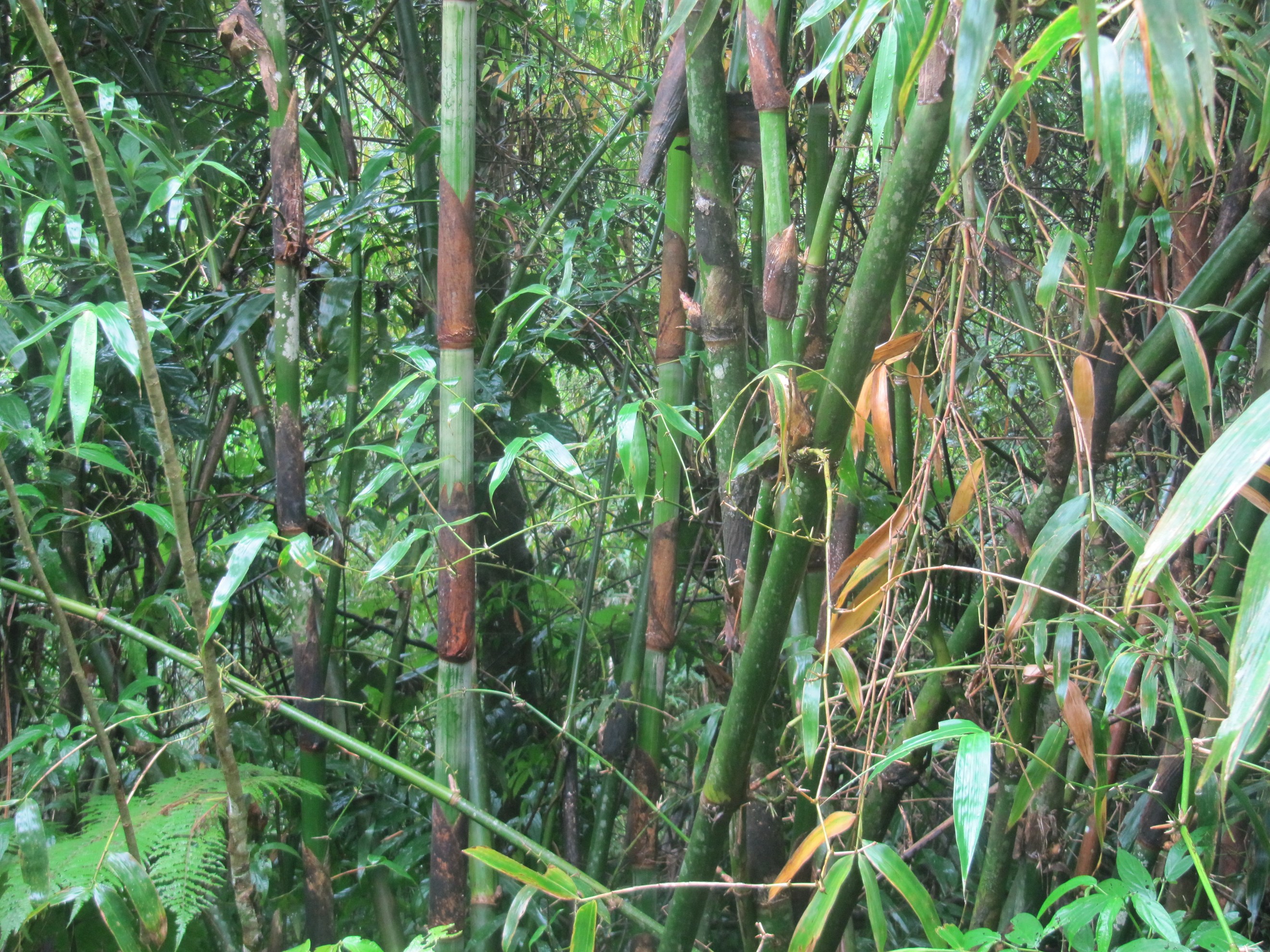
Brazilian bamboo
(Guadua tagoara)
Also Known As
Brazilian bamboo, Giant river bamboo, Taguara bamboo, Guadua bamboo
About This Plant
Guadua tagoara is a species of bamboo native to South America. It is a tall, fast-growing plant that can reach up to 30 meters (98 feet) in height and 15 cm (6 inches) in diameter. It has a straight stem, with smooth, green culms that are covered in a waxy coating. The leaves are long and narrow, and the plant produces small flowers and fruits.
Plant Care Instructions
Outdoor Size Range
Height: 20-30 meters (65-98 feet), Diameter: 15 cm (6 inches)
Light Requirements
Guadua tagoara requires full sun to partial shade. It can tolerate some shade, but will not grow as tall or as quickly in lower light conditions.
Humidity Needs
Guadua tagoara prefers high humidity levels, but can tolerate drier air if it is well-watered. It is important to keep the leaves clean and free of dust to prevent pests and diseases.
Fertilizing Schedule
Guadua tagoara benefits from regular fertilization with a balanced, slow-release fertilizer. This should be applied during the growing season, from spring to fall.
Pruning Guidelines
Pruning is not necessary for Guadua tagoara, but it can be done to remove dead or damaged culms. This should be done in late winter or early spring, before new growth appears.
Common Pests and Diseases
Common pests and diseases for Guadua tagoara include bamboo mites, mealybugs, and fungal infections. Regular cleaning and maintenance can help prevent these issues.
Indoor Size Range
Not suitable for indoor growth
Watering Schedule
This bamboo species requires regular watering, especially during dry periods. The soil should be kept moist, but not waterlogged, as this can cause root rot.
Temperature Range
This plant species prefers warm temperatures, between 18-32°C (65-90°F). It can tolerate cooler temperatures, but growth will slow down in colder conditions.
Growing Season
The growing season for Guadua tagoara is from spring to fall, when temperatures are warm and rainfall is frequent.
Growing Difficulty Level
Guadua tagoara is a moderately difficult plant to grow. It requires specific environmental conditions and regular maintenance to thrive.
USDA Hardiness Zones
Guadua tagoara is not rated for USDA hardiness zones, as it is not a native plant species.
Did You Know?
Guadua tagoara is an important plant species in South America, where it is used for construction, furniture, and crafts. Its strong, lightweight culms make it a popular material for building homes, bridges, and even bicycles.
