Special Web Offer - Get 50% OFF!
Grab Your Deal Now
PlantSnap
Plant Care
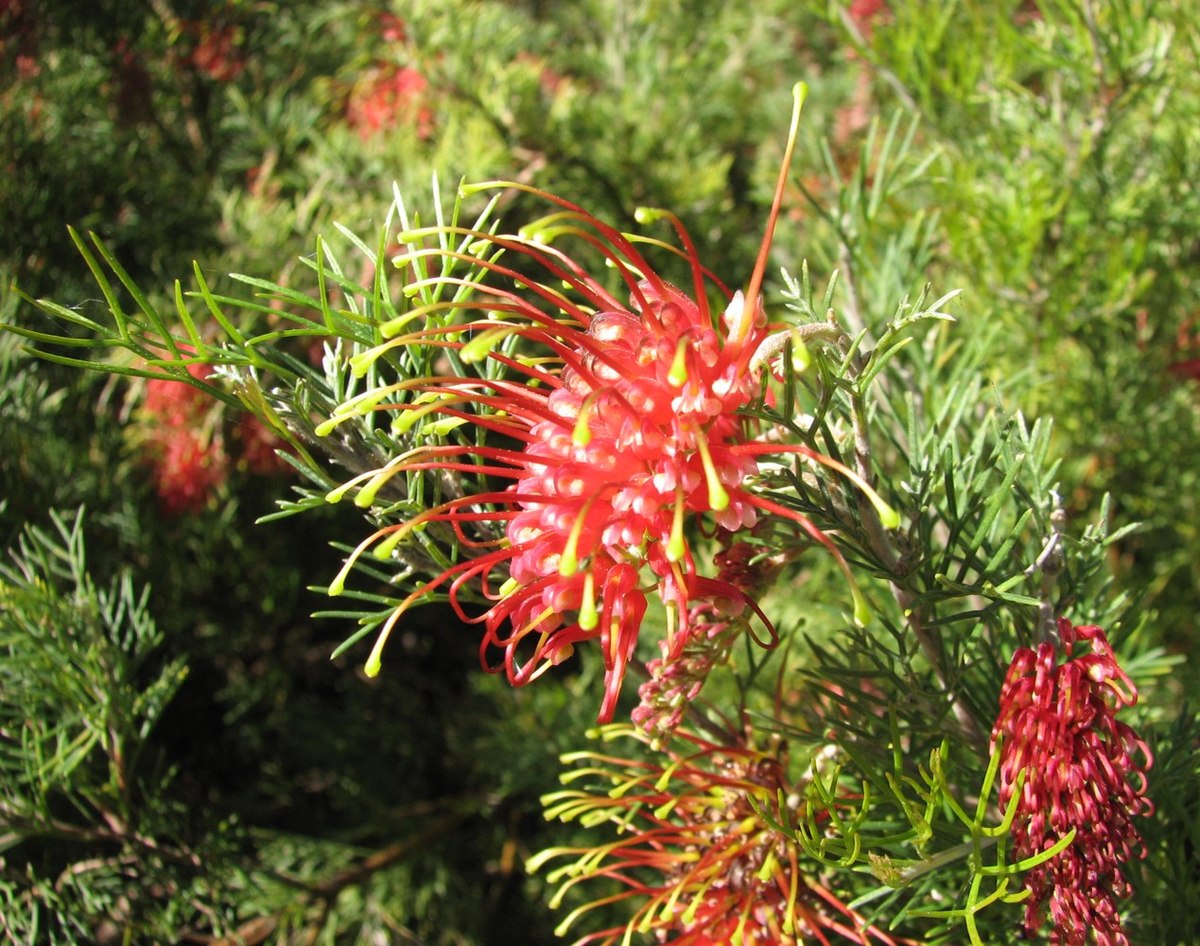
Spider net grevillea
(Grevillea thelemanniana)
Also Known As
Spider net grevillea, Thelemann's grevillea, White grevillea, Grevillea
About This Plant
Grevillea thelemanniana is an evergreen shrub species that belongs to the Proteaceae family. It is native to Australia and is commonly known as the Mountain Grevillea. This plant species has needle-like leaves and produces vibrant red flowers that bloom in winter and spring. The Mountain Grevillea is a popular plant species in Australia and is used in landscaping due to its attractive flowers and foliage.
Plant Care Instructions
Outdoor Size Range
3-6 feet (0.9-1.8 meters) tall and 3-5 feet (0.9-1.5 meters) wide
Light Requirements
The Mountain Grevillea requires full sun to partial shade to thrive. It can tolerate full shade, but it may not produce as many flowers.
Humidity Needs
The Mountain Grevillea prefers low to medium humidity levels. It can tolerate dry air and is not prone to fungal diseases.
Fertilizing Schedule
The Mountain Grevillea does not require regular fertilization. However, it can benefit from a slow-release fertilizer applied in spring.
Pruning Guidelines
Pruning is not necessary for the Mountain Grevillea, but it can be done to maintain its shape and size. Pruning should be done after flowering to avoid removing flower buds.
Common Pests and Diseases
The Mountain Grevillea is not prone to pests or diseases. However, it can be affected by root rot if overwatered.
Indoor Size Range
Not suitable for indoor growth
Watering Schedule
This plant species requires moderate watering. It is drought-tolerant but needs regular watering during the first year of growth. Once established, it can survive long periods of drought.
Temperature Range
This plant species can tolerate a wide range of temperatures, from 20°F (-6°C) to 100°F (38°C). However, it prefers temperatures between 50°F (10°C) and 80°F (27°C).
Growing Season
The Mountain Grevillea blooms in winter and spring, from May to October.
Growing Difficulty Level
The Mountain Grevillea is a relatively easy plant species to grow. It is drought-tolerant, disease-resistant, and does not require regular fertilization. However, it may not be suitable for beginners due to its specific light and temperature requirements.
USDA Hardiness Zones
USDA hardiness zones 9b to 11.
Did You Know?
The Mountain Grevillea is named after Charles Thelemann, a German botanist who collected the first specimen in 1873 while exploring the mountains of Queensland, Australia.
