Special Web Offer - Get 50% OFF!
Grab Your Deal Now
PlantSnap
Plant Care
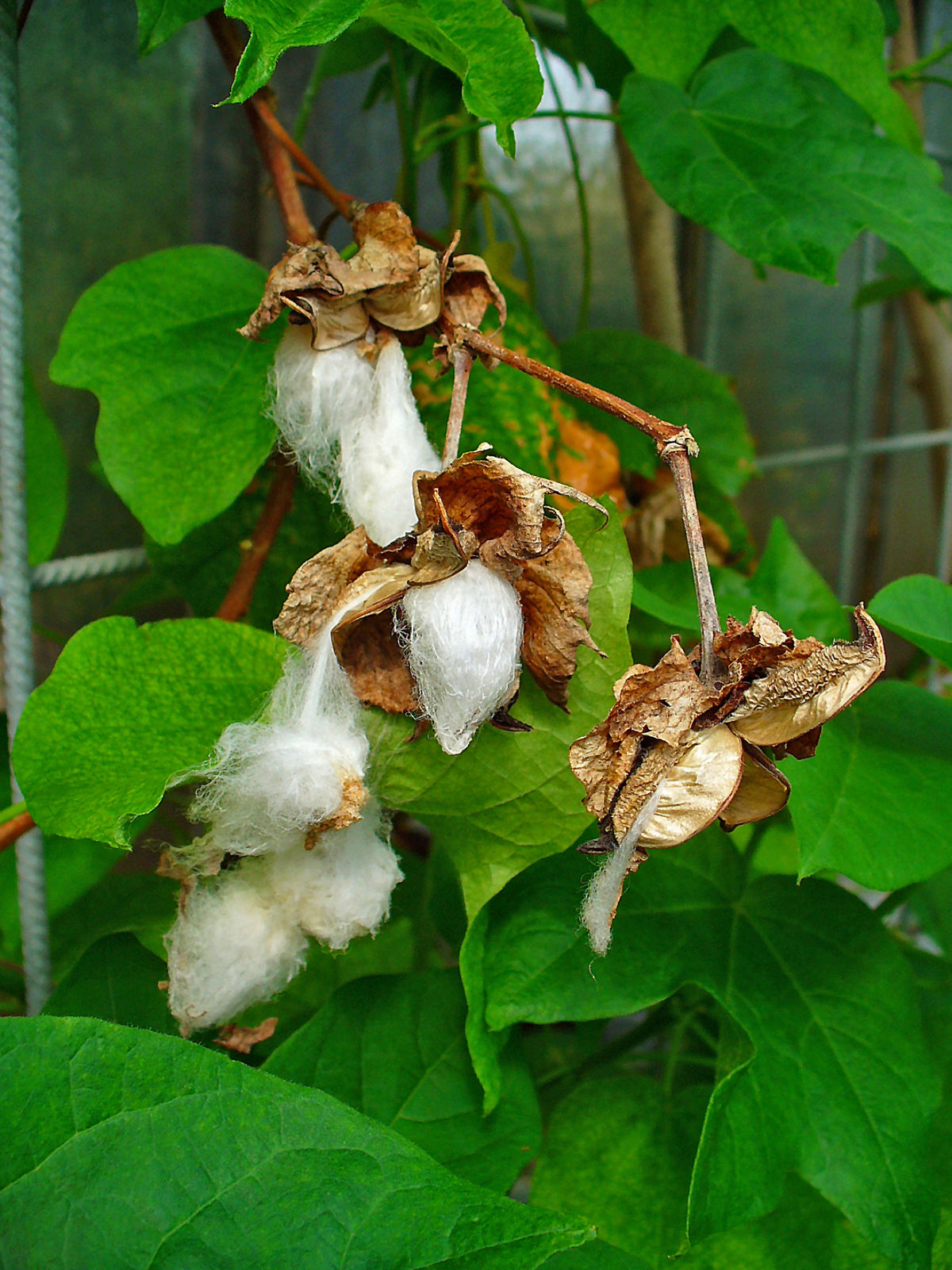
Levant cotton
(Gossypium herbaceum)
Also Known As
Levant cotton, Cotton, Wild cotton
About This Plant
Gossypium herbaceum is a species of cotton native to the tropical and subtropical regions of the Old World. It is a small, shrubby, perennial tree that grows up to 2 meters tall. The plant produces yellow flowers that develop into a capsule containing the cotton boll, which is harvested for its fiber.
Plant Care Instructions
Outdoor Size Range
3-6 feet (0.9-1.8 meters)
Light Requirements
Gossypium herbaceum requires full sun to grow and produce healthy cotton bolls.
Humidity Needs
The plant prefers moderate humidity levels, but can tolerate lower humidity levels.
Fertilizing Schedule
The plant requires regular fertilization with a balanced fertilizer to promote healthy growth and cotton production.
Pruning Guidelines
Pruning is not required for Gossypium herbaceum, but it can be beneficial to remove any dead or damaged branches.
Common Pests and Diseases
Common pests that can affect Gossypium herbaceum include aphids, spider mites, and whiteflies. Diseases such as bacterial blight and verticillium wilt can also affect the plant.
Indoor Size Range
Not suitable for indoor growth
Watering Schedule
The plant requires moderate watering, with the soil being kept moist but not waterlogged. It is important to avoid overwatering, as this can lead to root rot.
Temperature Range
Gossypium herbaceum thrives in warm temperatures between 60-80°F (15-27°C).
Growing Season
Gossypium herbaceum is typically grown as an annual crop and has a growing season of 150-180 days.
Growing Difficulty Level
Gossypium herbaceum can be difficult to grow as it requires specific growing conditions and can be susceptible to pests and diseases.
USDA Hardiness Zones
Gossypium herbaceum is not a cold-hardy plant and is typically grown in USDA hardiness zones 8-11.
Did You Know?
Gossypium herbaceum is one of the oldest cultivated crops in the world, with evidence of cotton cultivation dating back to ancient Egypt over 7000 years ago.
