Special Web Offer - Get 50% OFF!
Grab Your Deal Now
PlantSnap
Plant Care
Scrub ironwood
(Gossia acmenoides)
Also Known As
Scrub ironwood, Small-leaved lilly pilly, Mountain plum, Acmena
About This Plant
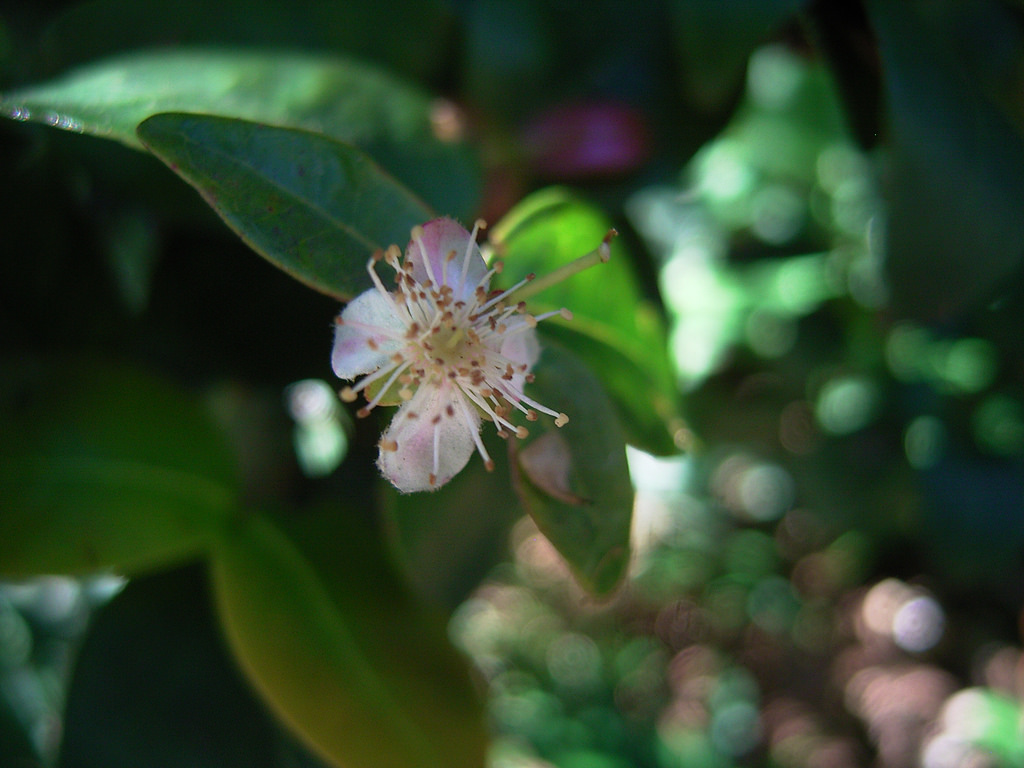
Gossia acmenoides is an evergreen tree or shrub species that can grow up to 30 feet (9 meters) tall. It has a dense crown and a smooth, grey bark. The leaves are lance-shaped, glossy, and dark green. The flowers are small, creamy-white, and fragrant, and they appear in clusters from late winter to early spring. The fruit is a woody capsule that contains small, black seeds.
Plant Care Instructions
Outdoor Size Range
15-30 feet (4.5-9 meters)
Light Requirements
Gossia acmenoides prefers full sun to partial shade. It can tolerate some shade, but the flowering and fruiting will be reduced.
Humidity Needs
Gossia acmenoides prefers moderate humidity levels, but it can tolerate low levels as well.
Fertilizing Schedule
Gossia acmenoides doesn't require much fertilizer. A balanced fertilizer can be applied once a year in the spring.
Pruning Guidelines
Pruning is not necessary for this plant species, but it can be done to shape the tree or remove dead or damaged branches.
Common Pests and Diseases
Common pests for Gossia acmenoides include scale insects, mealybugs, and spider mites. Diseases are not common, but root rot can occur if the soil is waterlogged.
Indoor Size Range
Not suitable for indoor cultivation
Watering Schedule
This plant species requires regular watering, especially during dry periods. The soil should be kept moist but not waterlogged.
Temperature Range
This plant species can tolerate a wide range of temperatures, from 20°F (-6°C) to 100°F (38°C). However, it prefers temperatures between 50°F (10°C) and 80°F (27°C).
Growing Season
Gossia acmenoides can be grown year-round in tropical and subtropical regions. In cooler climates, it can be grown as an indoor plant or in a greenhouse.
Growing Difficulty Level
Gossia acmenoides is relatively easy to grow, but it requires regular watering and protection from frost.
USDA Hardiness Zones
Gossia acmenoides is not frost-tolerant and can only be grown in USDA hardiness zones 10-11.
Did You Know?
Gossia acmenoides is an important species in Australian rainforests, where it provides food and shelter for a variety of animals, including birds, bats, and insects. Its wood is also used for making furniture and tools.