Special Web Offer - Get 50% OFF!
Grab Your Deal Now
PlantSnap
Plant Care
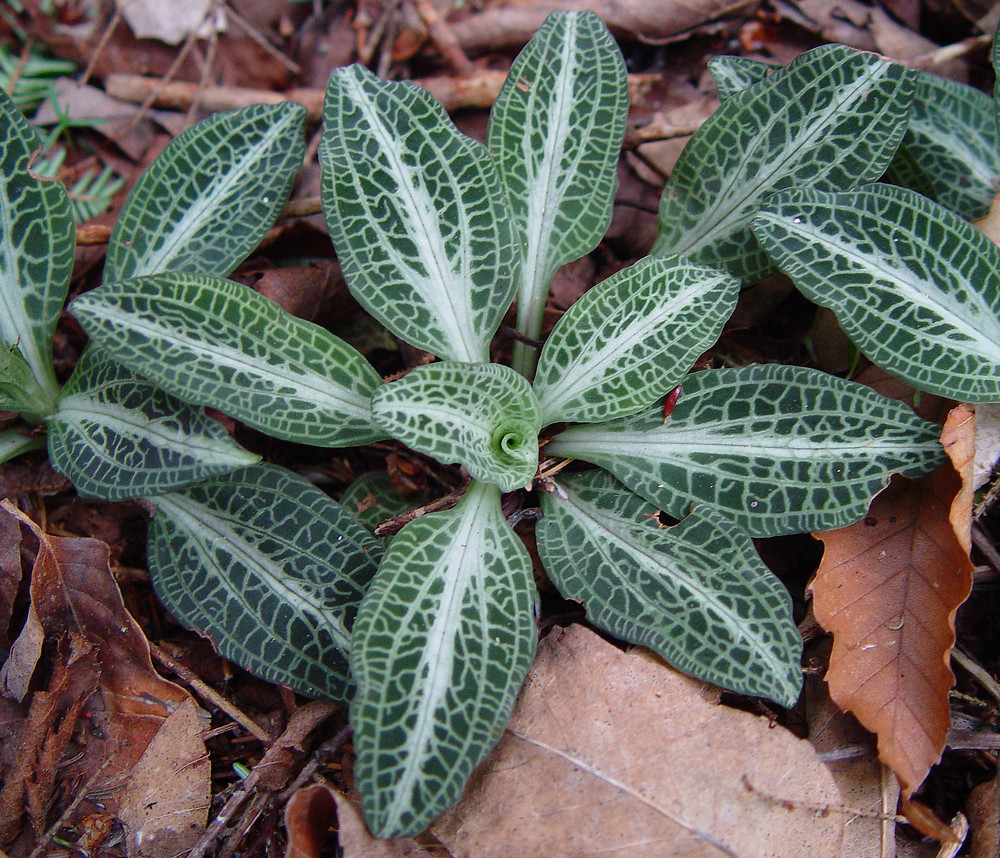
Downy rattlesnake plantain
(Goodyera pubescens)
Also Known As
Downy rattlesnake plantain, Velvet rattlesnake plantain, Downy orchid
About This Plant
Goodyera pubescens is a perennial orchid species that is native to the eastern part of North America. It is also known as the Downy Rattlesnake Plantain due to its leaves resembling the skin of a rattlesnake. The plant has a rosette of basal leaves and a tall inflorescence of small white flowers that bloom in the summer.
Plant Care Instructions
Outdoor Size Range
6-12 inches (15-30 cm)
Light Requirements
Goodyera pubescens prefers partial to full shade. Direct sunlight can scorch the leaves.
Humidity Needs
The plant prefers high humidity, around 50-70%. It can benefit from being placed on a tray of pebbles filled with water to increase humidity.
Fertilizing Schedule
Fertilize with a balanced orchid fertilizer once a month during the growing season (spring and summer).
Pruning Guidelines
Prune the spent flower spikes at the base of the plant. Trim any yellow or damaged leaves.
Common Pests and Diseases
Common pests include spider mites and mealybugs. Diseases include root rot from overwatering.
Indoor Size Range
6-10 inches (15-25 cm)
Watering Schedule
The plant requires consistent moisture, but not waterlogged soil. Water when the top inch of soil feels dry to the touch.
Temperature Range
The plant prefers cool temperatures, around 60-70°F (15-21°C) during the day and 50-60°F (10-15°C) at night.
Growing Season
The growing season for Goodyera pubescens is in the spring and summer.
Growing Difficulty Level
Goodyera pubescens is considered moderately difficult to grow due to its specific requirements for light, temperature, and humidity.
USDA Hardiness Zones
Goodyera pubescens is hardy in USDA zones 3-8.
Did You Know?
The Downy Rattlesnake Plantain gets its name from its leaves, which have a pattern that resembles the skin of a rattlesnake. This pattern is thought to help camouflage the plant and protect it from herbivores.
