Special Web Offer - Get 50% OFF!
Grab Your Deal Now
PlantSnap
Plant Care
Ramin
(Gonystylus bancanus)
Also Known As
Ramin, Malaysian blackwood, Borneo ironwood
About This Plant
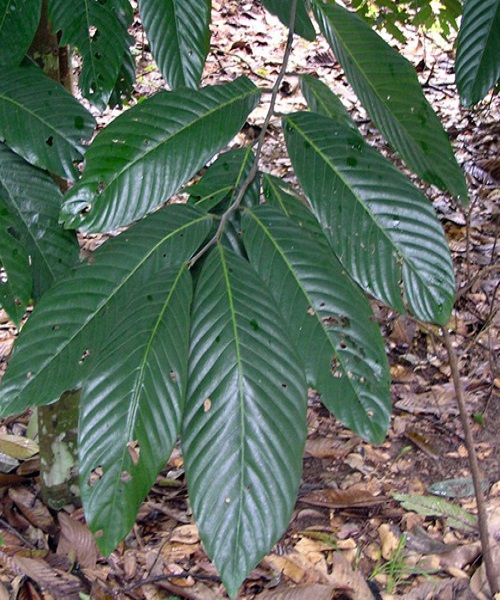
Gonystylus bancanus is a tropical tree species native to Southeast Asia. It is commonly known as Ramin and is a member of the family Thymelaeaceae. The tree can grow up to 30 meters tall and has a straight trunk with a diameter of up to 60 cm. The bark is grayish-brown and rough, while the leaves are simple, alternate, and oblong in shape.
Plant Care Instructions
Outdoor Size Range
Height: 20-30m (65-98ft), Spread: 10-15m (32-49ft)
Light Requirements
Ramin prefers partial shade to full sun. It can tolerate low light conditions, but growth will be slower.
Humidity Needs
Ramin prefers high humidity levels, around 70-80%. It can tolerate lower levels, but growth may be affected.
Fertilizing Schedule
Gonystylus bancanus benefits from regular fertilization with a balanced fertilizer. It is important not to over-fertilize, as this can lead to excessive growth and weak wood.
Pruning Guidelines
Pruning is not necessary for this species, but it can be done to maintain a desired shape or size.
Common Pests and Diseases
Common pests of Ramin include mealybugs, scale insects, and spider mites. It is also susceptible to root rot and fungal diseases.
Indoor Size Range
Not suitable for indoor cultivation
Watering Schedule
The tree requires regular watering, especially during the first few years of growth. It prefers well-drained soil and does not tolerate waterlogging.
Temperature Range
The tree prefers warm temperatures between 20-30°C (68-86°F). It can tolerate slightly cooler temperatures, but not frost.
Growing Season
Ramin can be grown year-round in tropical climates, but growth may slow down during the dry season.
Growing Difficulty Level
Gonystylus bancanus is considered difficult to grow due to its specific requirements for humidity, temperature, and soil, as well as its susceptibility to pests and diseases.
USDA Hardiness Zones
Not applicable
Did You Know?
Ramin is a valuable timber species and is often illegally harvested from the wild for use in furniture and construction. As a result, it is listed as endangered by the IUCN and is protected by CITES.
