Special Web Offer - Get 50% OFF!
Grab Your Deal Now
PlantSnap
Plant Care
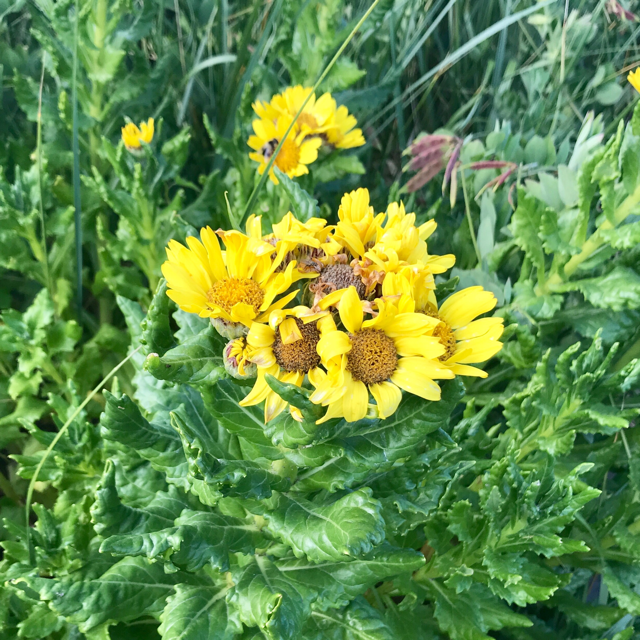
Garland chrysanthemum
(Glebionis coronaria)
Also Known As
Garland chrysanthemum, Crown daisy, Chrysanthemum coronarium, Shingiku
About This Plant
Glebionis coronaria is a species of flowering plant in the family Asteraceae, native to the Mediterranean region. It is an annual or biennial herbaceous plant that grows up to 60 cm (24 inches) tall. The leaves are grayish green and the flowers are yellow with a dark center.
Plant Care Instructions
Outdoor Size Range
Up to 60 cm (24 inches) tall
Light Requirements
Crown daisy requires full sun to partial shade, at least 6 hours of direct sunlight per day.
Humidity Needs
Crown daisy prefers moderate humidity levels, between 40-60%.
Fertilizing Schedule
Crown daisy benefits from regular fertilization with a balanced fertilizer every 4-6 weeks during the growing season.
Pruning Guidelines
Deadhead spent flowers to encourage more blooms. Crown daisy does not require heavy pruning.
Common Pests and Diseases
Common pests for crown daisy include aphids, spider mites, and whiteflies. Diseases such as powdery mildew and root rot can also occur.
Indoor Size Range
Not suitable for indoor growth
Watering Schedule
Water crown daisy when the top inch of soil is dry, about once a week. It prefers well-draining soil and does not tolerate waterlogged soil.
Temperature Range
Crown daisy grows best in temperatures between 15-25°C (59-77°F). It can tolerate some cold temperatures but not frost.
Growing Season
Crown daisy can be grown year-round in areas with mild winters. In areas with cold winters, it is typically grown as an annual in the spring and summer.
Growing Difficulty Level
Crown daisy is easy to grow and maintain, making it a great choice for beginner gardeners.
USDA Hardiness Zones
Crown daisy can be grown in USDA hardiness zones 3-10.
Did You Know?
In traditional Chinese medicine, crown daisy is used to treat various ailments including fever, sore throat, and stomachache.
