Special Web Offer - Get 50% OFF!
Grab Your Deal Now
PlantSnap
Plant Care
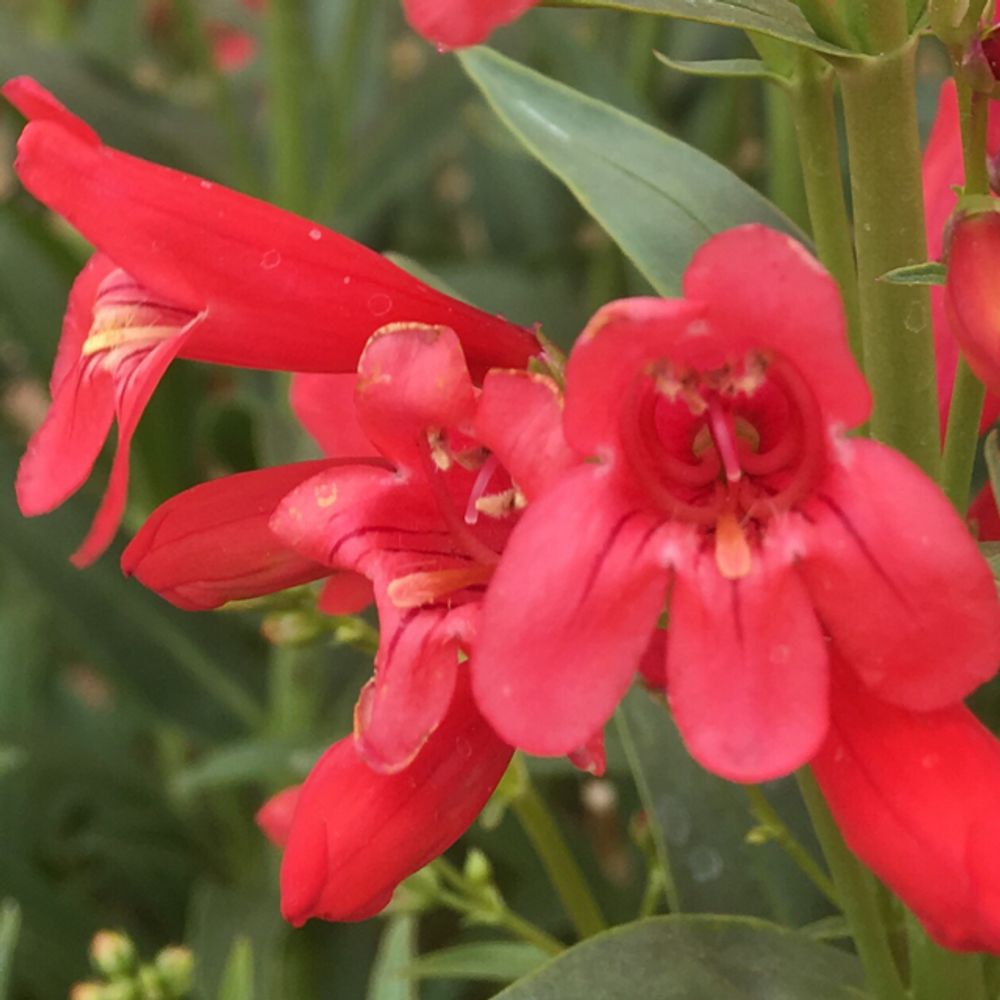
Common gladiolus
(Gladiolus communis)
Also Known As
Common gladiolus, Sword lily, Gladiolus, Corn lily
About This Plant
Gladiolus communis is a herbaceous perennial plant that grows up to 1.5 meters (59 inches) tall. It has sword-shaped leaves and produces spikes of showy flowers in a range of colors from white to pink, red, orange, yellow, and purple.
Plant Care Instructions
Outdoor Size Range
Height: 1.5 - 2.5 feet (45.72 - 76.2 cm), Spread: 1 - 1.5 feet (30.48 - 45.72 cm)
Light Requirements
Gladiolus communis requires full sun to partial shade, at least 6 hours of direct sunlight per day. It is best to plant them in a location that receives morning sun and afternoon shade.
Humidity Needs
Gladiolus communis prefers a dry climate, and high humidity can cause problems such as fungal diseases. It is best to plant them in well-draining soil to avoid waterlogging.
Fertilizing Schedule
Fertilize the plant with a balanced fertilizer once a month during the growing season to promote healthy growth and flowering. Stop fertilizing after the plant has finished flowering.
Pruning Guidelines
After the plant has finished flowering, cut back the flower stalk to the base of the plant. Leave the foliage to die back naturally, as it will provide nutrients to the bulb for next year's growth.
Common Pests and Diseases
Common pests that can affect Gladiolus communis include thrips, spider mites, and aphids. Diseases that can affect the plant include fusarium wilt, botrytis blight, and rust.
Indoor Size Range
Not suitable for indoor growing.
Watering Schedule
The plant requires moderate watering, especially during the growing season. The soil should be moist, but not waterlogged. Water the plant when the top inch of soil is dry to the touch.
Temperature Range
The plant prefers warm temperatures between 60-85°F (15.5-29.4°C). It is not frost tolerant and should be protected from frost.
Growing Season
The growing season for Gladiolus communis is from spring to fall. The plant blooms in mid to late summer and produces flowers for several weeks.
Growing Difficulty Level
Gladiolus communis is moderately difficult to grow. It requires well-draining soil, moderate watering, and protection from frost. However, it is relatively disease and pest resistant.
USDA Hardiness Zones
Gladiolus communis is hardy in USDA zones 7-10.
Did You Know?
The name 'Gladiolus' comes from the Latin word 'gladius', which means sword, in reference to the plant's sword-shaped leaves.
