Special Web Offer - Get 50% OFF!
Grab Your Deal Now
PlantSnap
Plant Care
Maidenhair tree
(Ginkgo biloba)
Also Known As
Maidenhair tree, Ginkgo, Living fossil
About This Plant
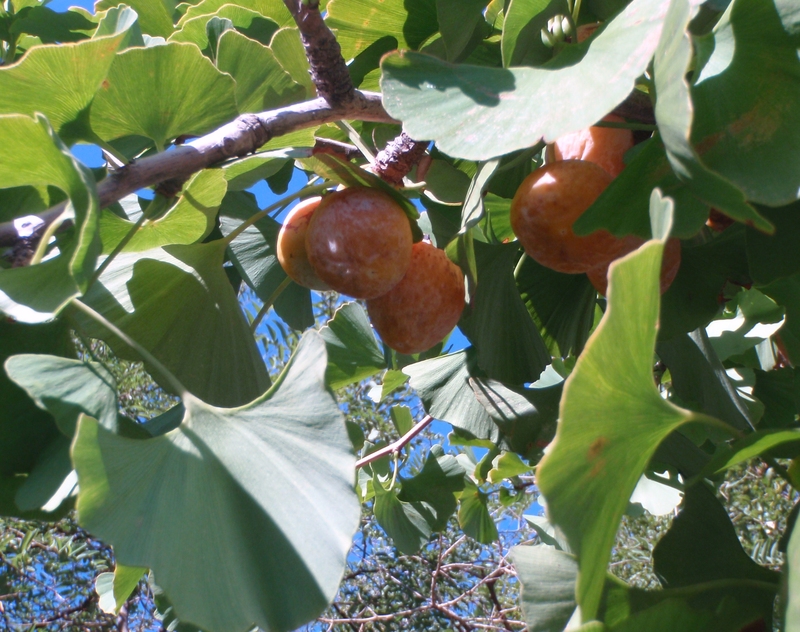
Ginkgo biloba is a deciduous tree with distinct fan-shaped leaves that turn golden yellow in the fall. It is one of the oldest living tree species, dating back over 270 million years. The tree produces seeds that are used in traditional medicine to improve cognitive function and memory.
Plant Care Instructions
Outdoor Size Range
50-80 feet (15-24 meters) tall and 30-40 feet (9-12 meters) wide
Light Requirements
Ginkgo biloba prefers full sun to partial shade.
Humidity Needs
Ginkgo biloba can tolerate a wide range of humidity levels, but it prefers moderate to high humidity.
Fertilizing Schedule
Ginkgo biloba does not require fertilizer, but it can benefit from a balanced fertilizer applied in the spring.
Pruning Guidelines
Ginkgo biloba requires little pruning, but it can be pruned to remove dead, damaged, or diseased branches.
Common Pests and Diseases
Ginkgo biloba is relatively pest-free, but it can be susceptible to leaf spot, canker, and root rot.
Indoor Size Range
N/A
Watering Schedule
This plant species is drought-tolerant once established, but it should be watered regularly during the first few years after planting to help it establish a strong root system.
Temperature Range
This plant species is hardy in USDA zones 3-8 and can tolerate a wide range of temperatures.
Growing Season
The growing season for Ginkgo biloba is from spring to fall.
Growing Difficulty Level
Ginkgo biloba is relatively easy to grow and maintain.
USDA Hardiness Zones
3-8
Did You Know?
Ginkgo biloba is considered a living fossil because it is the only surviving member of the Ginkgophyta division, which once included many other species that are now extinct.
