Special Web Offer - Get 50% OFF!
Grab Your Deal Now
PlantSnap
Plant Care
Common gibbaeum
(Gibbaeum album)
Also Known As
Common gibbaeum, White gibbaeum, Sand plant
About This Plant
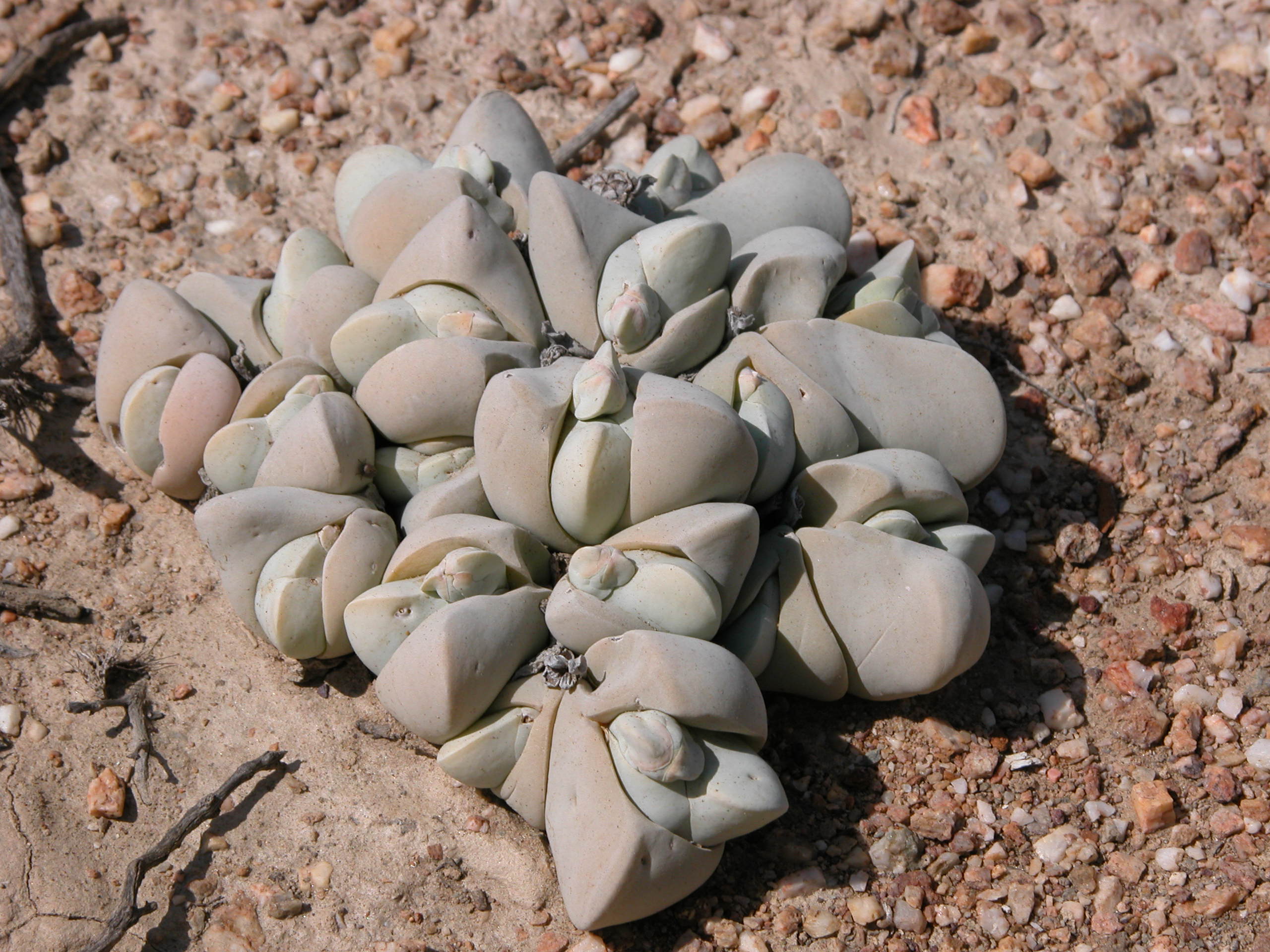
Gibbaeum album is a small, succulent plant species that belongs to the family Aizoaceae. It is native to South Africa and is commonly known as the 'Gibbaeum'. The plant has a round, flattened shape and is covered in small, white, papery leaves that grow in a rosette pattern.
Plant Care Instructions
Outdoor Size Range
2-3 inches (5-8 cm)
Light Requirements
Gibbaeum album requires bright, direct sunlight for at least 6 hours a day to thrive. It is recommended to place the plant near a south-facing window.
Humidity Needs
Gibbaeum album prefers low humidity levels and does not require any additional humidity.
Fertilizing Schedule
Fertilize the plant once a month during the growing season with a balanced fertilizer diluted to half strength.
Pruning Guidelines
Gibbaeum album does not require pruning except for the removal of dead leaves.
Common Pests and Diseases
Common pests for Gibbaeum album include mealybugs and spider mites.
Indoor Size Range
2-3 inches (5-8 cm)
Watering Schedule
Water the plant thoroughly once a week during the growing season (spring and summer) and reduce watering to once every two weeks during the dormant season (fall and winter). Allow the soil to dry out completely between waterings.
Temperature Range
The plant prefers warm temperatures between 65-80°F (18-27°C) during the day and cooler temperatures between 50-55°F (10-13°C) at night.
Growing Season
The growing season for Gibbaeum album is from spring to summer.
Growing Difficulty Level
Gibbaeum album is considered a moderately difficult plant to grow due to its specific light, watering, and temperature requirements.
USDA Hardiness Zones
Gibbaeum album is not frost tolerant and is best grown in USDA hardiness zones 9-11.
Did You Know?
Gibbaeum album is commonly referred to as the 'living pebble' due to its small, round shape and papery leaves that resemble pebbles.