Special Web Offer - Get 50% OFF!
Grab Your Deal Now
PlantSnap
Plant Care
Barberton daisy
(Gerbera jamesonii)
Also Known As
Barberton daisy, Gerbera daisy, Transvaal daisy, African daisy
About This Plant
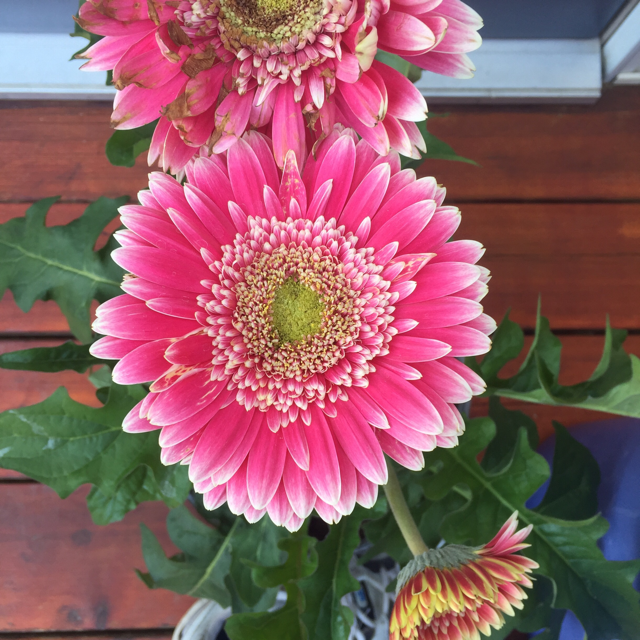
Gerbera jamesonii, commonly known as Gerbera Daisy, is a species of flowering plants in the family Asteraceae, native to South America, Africa, and Asia. It is a herbaceous perennial that grows up to 18-24 inches (45-60 cm) tall and 12-18 inches (30-45 cm) wide. The plant produces large, colorful flowers with a diameter of 2-5 inches (5-13 cm) on long stems.
Plant Care Instructions
Outdoor Size Range
18-24 inches (45-60 cm) tall and 12-18 inches (30-45 cm) wide
Light Requirements
Gerbera Daisies require bright, direct sunlight for at least 6 hours a day. They can also tolerate partial shade.
Humidity Needs
Gerbera Daisies prefer moderate humidity levels, around 50%. They can tolerate lower levels, but high humidity can lead to fungal diseases.
Fertilizing Schedule
Gerbera Daisies benefit from regular fertilization during the growing season. Use a balanced fertilizer every 2-3 weeks.
Pruning Guidelines
Gerbera Daisies require deadheading to encourage continuous blooming. Remove spent flowers and stems to promote new growth.
Common Pests and Diseases
Common pests for Gerbera Daisies include spider mites, aphids, and thrips. They can also be susceptible to fungal diseases such as powdery mildew.
Indoor Size Range
12-18 inches (30-45 cm) tall and wide
Watering Schedule
Gerbera Daisies need to be watered regularly, but not excessively. The soil should be kept moist, but not waterlogged. Overwatering can lead to root rot.
Temperature Range
Gerbera Daisies prefer temperatures between 65-75°F (18-24°C). They can tolerate slightly cooler temperatures, but not frost.
Growing Season
Gerbera Daisies grow best in the spring and fall. They can be grown year-round indoors with proper lighting and temperature conditions.
Growing Difficulty Level
Gerbera Daisies are moderately difficult to grow. They require specific light, temperature, and humidity conditions, as well as regular fertilization and deadheading.
USDA Hardiness Zones
Gerbera Daisies are hardy in USDA zones 8-11.
Did You Know?
Gerbera Daisies are known for their air-purifying properties and are commonly used in NASA's Clean Air Study to remove toxins from the air.
