Special Web Offer - Get 50% OFF!
Grab Your Deal Now
PlantSnap
Plant Care
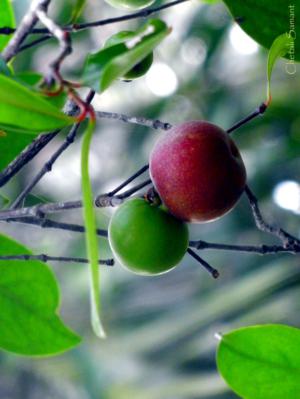
Kokum
(Garcinia indica)
Also Known As
Kokum, Kokum butter, Gamboge
About This Plant
Garcinia indica is a tropical fruit-bearing tree native to India and Southeast Asia. It is commonly known as kokum, aamsool, or bhinda. The fruit is used in culinary applications and traditional medicine.
Plant Care Instructions
Outdoor Size Range
20-40 feet (6-12 meters) tall and 15-20 feet (4.5-6 meters) wide.
Light Requirements
Kokum trees require full sun to partial shade to thrive. They can tolerate shade but may produce fewer fruits.
Humidity Needs
Kokum trees prefer moderate to high humidity levels. They can tolerate low humidity, but it may affect fruit production.
Fertilizing Schedule
Kokum trees require regular fertilization during the growing season. A balanced fertilizer with a ratio of 10-10-10 is recommended.
Pruning Guidelines
Kokum trees require minimal pruning. Prune to remove any dead or diseased branches and to maintain the desired shape.
Common Pests and Diseases
Common pests and diseases for kokum trees include mealybugs, scale insects, and powdery mildew.
Indoor Size Range
Not suitable for indoor cultivation.
Watering Schedule
Kokum trees require regular watering during the growing season, but they can tolerate short periods of drought. Overwatering can lead to root rot.
Temperature Range
Kokum trees prefer warm, humid climates with temperatures ranging from 68-86°F (20-30°C). They can tolerate temperatures as low as 50°F (10°C) but may drop their leaves.
Growing Season
Kokum trees have a long growing season and can produce fruit year-round in tropical climates.
Growing Difficulty Level
Kokum trees are moderately difficult to grow. They require specific growing conditions and regular maintenance.
USDA Hardiness Zones
Kokum trees are hardy in USDA zones 10-12.
Did You Know?
In traditional Indian medicine, kokum is used to treat ailments such as diarrhea, constipation, and infections.