Special Web Offer - Get 50% OFF!
Grab Your Deal Now
PlantSnap
Plant Care
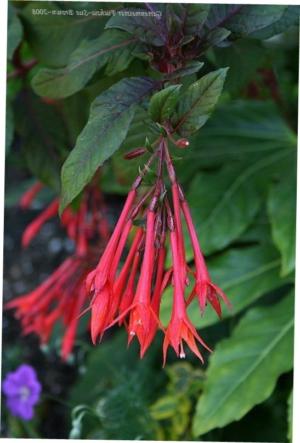
Gartenmeister fuchsia
(Fuschia Gartenmeister Bonstedt)
Also Known As
Gartenmeister fuchsia, Fuchsia bonstedt, Fuchsia
About This Plant
Fuschia Gartenmeister Bonstedt is a flowering plant species that produces vibrant pink and purple flowers. The plant is known for its long blooming season and attractive foliage. It is a popular choice for hanging baskets and containers due to its trailing habit.
Plant Care Instructions
Outdoor Size Range
12-36 inches (30-90 cm)
Light Requirements
Fuschia Gartenmeister Bonstedt requires bright, indirect light. It should be kept out of direct sunlight, as this can scorch the leaves and flowers.
Humidity Needs
Fuschia Gartenmeister Bonstedt prefers high humidity levels. It is recommended to mist the plant regularly, especially during dry weather.
Fertilizing Schedule
The plant should be fertilized every two weeks during the growing season with a balanced fertilizer. It is important to follow the instructions on the fertilizer package.
Pruning Guidelines
Fuschia Gartenmeister Bonstedt should be pruned regularly to encourage bushy growth and to remove any dead or damaged branches. It is recommended to prune the plant in early spring before new growth appears.
Common Pests and Diseases
Common pests for Fuschia Gartenmeister Bonstedt include aphids, spider mites, and whiteflies. Diseases that can affect the plant include botrytis blight and powdery mildew.
Indoor Size Range
8-12 inches (20-30 cm)
Watering Schedule
The plant should be watered regularly, but not overwatered. It is important to keep the soil moist, but not waterlogged. The plant should be watered more frequently during hot and dry weather.
Temperature Range
The plant prefers temperatures between 60-75°F (15-24°C). It should be kept away from drafts and sudden temperature changes.
Growing Season
The plant blooms from late spring to early fall. It is important to provide the plant with proper care during the growing season to encourage healthy growth and blooming.
Growing Difficulty Level
Fuschia Gartenmeister Bonstedt is considered moderately difficult to grow. It requires consistent care and attention, but can be rewarding with proper care.
USDA Hardiness Zones
Fuschia Gartenmeister Bonstedt is hardy in USDA zones 10-11.
Did You Know?
Fuschia plants are named after the German botanist Leonhart Fuchs, who lived during the 16th century. The plant was first discovered in the Caribbean and South America in the late 17th century.