Special Web Offer - Get 50% OFF!
Grab Your Deal Now
PlantSnap
Plant Care
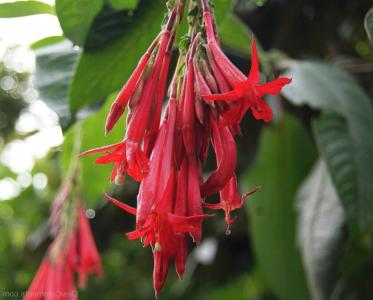
Firecracker fuchsia
(Fuchsia triphylla)
Also Known As
Firecracker fuchsia, Scarlet fuchsia, Dancing girl, Hummingbird fuchsia
About This Plant
Fuchsia triphylla is a species of flowering plant in the family Onagraceae, native to Central and South America. It is a deciduous shrub that can grow up to 10 feet (3 meters) tall and 6 feet (1.8 meters) wide. The plant has a bushy habit with dark green, ovate leaves and pendulous, tubular flowers that bloom in shades of red, pink, purple, and white.
Plant Care Instructions
Outdoor Size Range
Up to 10 feet (3 meters) tall and 6 feet (1.8 meters) wide
Light Requirements
Fuchsia triphylla prefers bright, indirect light. It can tolerate some morning sun but should be protected from hot afternoon sun.
Humidity Needs
Fuchsia triphylla prefers high humidity levels. It can benefit from regular misting or being placed on a pebble tray filled with water to increase humidity around the plant.
Fertilizing Schedule
Fuchsia triphylla benefits from regular fertilization during the growing season. Use a balanced, water-soluble fertilizer every 2-3 weeks.
Pruning Guidelines
Prune Fuchsia triphylla in late winter or early spring before new growth appears. Remove any dead or diseased wood, and prune back the remaining branches by one-third to promote bushier growth and more flowers.
Common Pests and Diseases
Common pests that can affect Fuchsia triphylla include spider mites, whiteflies, and aphids. Diseases such as gray mold and root rot can also be a problem if the plant is overwatered.
Indoor Size Range
18-24 inches (45-60 cm)
Watering Schedule
The soil should be kept evenly moist but not waterlogged. Water the plant when the top inch of soil feels dry to the touch.
Temperature Range
Fuchsia triphylla prefers temperatures between 60-75°F (15-24°C). It can tolerate temperatures as low as 50°F (10°C) but should be protected from frost.
Growing Season
Fuchsia triphylla blooms from late spring to early fall. It can continue to bloom through the winter if kept in a warm, bright location.
Growing Difficulty Level
Fuchsia triphylla is moderately difficult to grow. It requires specific growing conditions and regular maintenance, but with proper care, it can be a rewarding plant to grow.
USDA Hardiness Zones
Fuchsia triphylla is hardy in USDA zones 9-11.
Did You Know?
Fuchsia triphylla is named after the German botanist Leonhart Fuchs, who was a pioneer in the study of medicinal plants. The plant's pendulous flowers are thought to have evolved to attract hummingbirds, which are the plant's primary pollinators.