Special Web Offer - Get 50% OFF!
Grab Your Deal Now
PlantSnap
Plant Care
Fuchsia
(Fuchsia paniculata paniculata)
Also Known As
Fuchsia, Cascading fuchsia, Nodding fuchsia, Hanging fuchsia
About This Plant
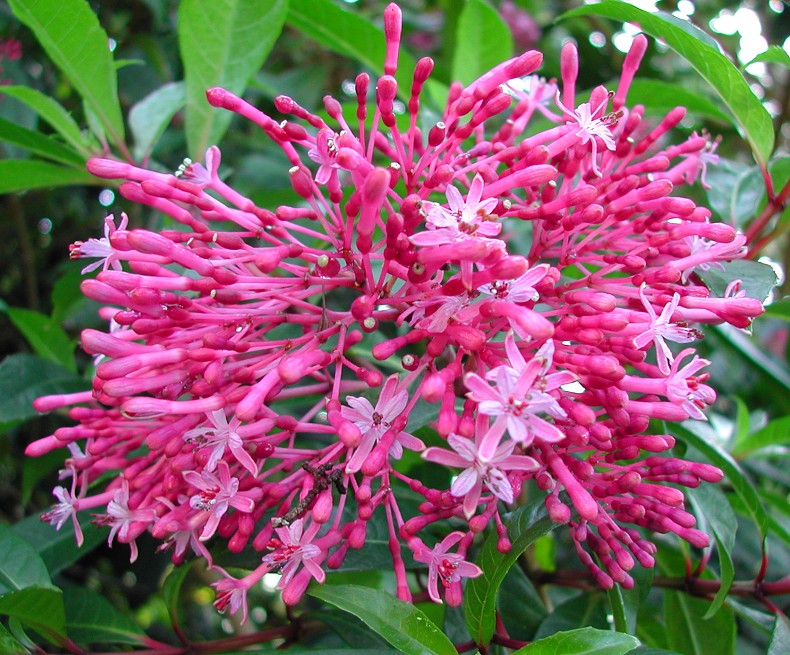
Fuchsia paniculata paniculata is a species of flowering plant in the family Onagraceae, native to Mexico. It is a deciduous shrub that can grow up to 10 feet (3 meters) tall and 6 feet (1.8 meters) wide. The plant produces clusters of showy, pink and purple flowers that bloom from late summer to early fall.
Plant Care Instructions
Outdoor Size Range
Up to 10 feet (3 meters) tall and 6 feet (1.8 meters) wide
Light Requirements
Mexican Fuchsia prefers partial shade to full sun. It can tolerate full sun in cooler climates, but in hotter areas it should be planted in partial shade.
Humidity Needs
Mexican Fuchsia prefers moderate to high humidity, but can tolerate drier conditions if the soil is kept moist.
Fertilizing Schedule
Mexican Fuchsia benefits from regular fertilization during the growing season. Use a balanced, water-soluble fertilizer every two weeks.
Pruning Guidelines
Mexican Fuchsia benefits from regular pruning to maintain its shape and promote bushier growth. Prune in late winter or early spring before new growth appears.
Common Pests and Diseases
Mexican Fuchsia can be susceptible to spider mites, whiteflies, and aphids. Treat with insecticidal soap or neem oil.
Indoor Size Range
N/A
Watering Schedule
Mexican Fuchsia prefers consistently moist soil, but not waterlogged. Water regularly, especially during hot, dry weather.
Temperature Range
Mexican Fuchsia can tolerate a range of temperatures, but prefers temperatures between 60-75°F (15-24°C). It can tolerate temperatures as low as 40°F (4°C) and as high as 90°F (32°C).
Growing Season
Mexican Fuchsia blooms from late summer to early fall.
Growing Difficulty Level
Mexican Fuchsia is moderately difficult to grow. It requires consistent moisture, regular fertilization, and regular pruning to maintain its shape and promote bushier growth.
USDA Hardiness Zones
Mexican Fuchsia is hardy in USDA zones 9-11.
Did You Know?
Fuchsia flowers are known for their distinctive, teardrop shape and vibrant colors. They are named after the German botanist Leonhart Fuchs, who first described the genus in the 16th century.
