Special Web Offer - Get 50% OFF!
Grab Your Deal Now
PlantSnap
Plant Care
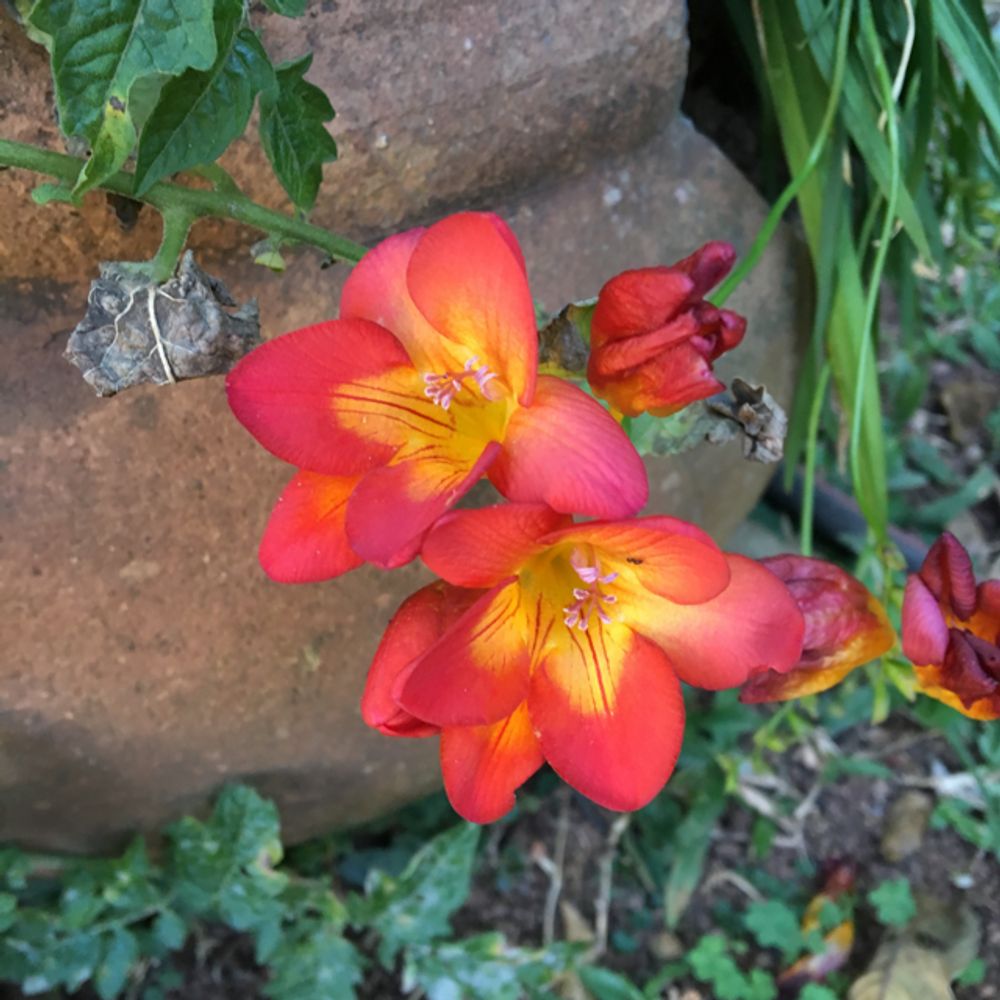
Freesia
(Freesia refracta)
Also Known As
Freesia, African freesia, Cape freesia
About This Plant
Freesia refracta is a species of flowering plant in the family Iridaceae, native to South Africa. It is a cormous perennial that grows up to 45 cm (18 in) tall. The plant produces a spike of fragrant, funnel-shaped flowers in a range of colours, including white, yellow, orange, red, pink, mauve, and purple. The leaves are linear and grass-like, up to 30 cm (12 in) long.
Plant Care Instructions
Outdoor Size Range
12-18 inches (30-45 cm)
Light Requirements
Freesias require bright, indirect light. They can tolerate some direct sunlight in the morning or evening, but too much direct sunlight can burn the leaves and flowers.
Humidity Needs
Freesias prefer moderate humidity, but they can tolerate low humidity conditions.
Fertilizing Schedule
Freesias benefit from regular fertilization during the growing season. Use a balanced fertilizer every 2-3 weeks. Stop fertilizing during the dormant period.
Pruning Guidelines
After the flowers have faded, cut the flower stalk down to the base of the plant. Do not cut the leaves until they have turned yellow and withered. This allows the plant to store energy for the next growing season.
Common Pests and Diseases
Freesias are susceptible to aphids, thrips, and spider mites. They can also be affected by fungal diseases like botrytis and rust.
Indoor Size Range
8-12 inches (20-30 cm)
Watering Schedule
Freesias prefer consistently moist soil, but they do not tolerate waterlogged soil. Water the plant when the top inch of soil feels dry to the touch. During the growing season, water every 7-10 days. Reduce watering during the dormant period.
Temperature Range
Freesias prefer cool temperatures, between 60-70°F (15-21°C). They can tolerate slightly warmer temperatures, but they do not do well in hot and humid conditions.
Growing Season
Freesias typically bloom in spring, but they can also bloom in fall if planted at the right time.
Growing Difficulty Level
Freesias are moderately difficult to grow. They require cool temperatures, consistent moisture, and regular fertilization. They are also susceptible to pests and diseases.
USDA Hardiness Zones
Freesias are hardy in USDA zones 9-11.
Did You Know?
Freesias are named after the German physician Friedrich Heinrich Theodor Freese, who was also a botanist and friend of the famous botanist Christian P. Ecklon.
