Special Web Offer - Get 50% OFF!
Grab Your Deal Now
PlantSnap
Plant Care
Broad-leaved freesia
(Freesia corymbosa)
Also Known As
Broad-leaved freesia, Freesia, Corymbose freesia, African crinum
About This Plant
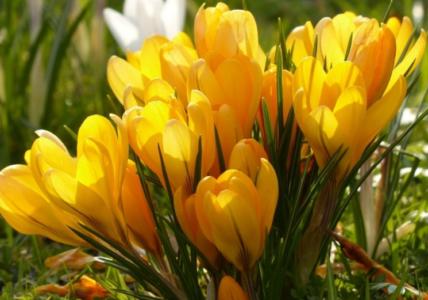
Freesia corymbosa is a species of flowering plant in the family Iridaceae, native to South Africa. It is a perennial herbaceous plant that grows up to 40 cm tall, with linear leaves and fragrant, funnel-shaped flowers arranged in racemes.
Plant Care Instructions
Outdoor Size Range
16-20 inches (40-50 cm)
Light Requirements
Freesia corymbosa prefers full sun to partial shade (4-6 hours of direct sunlight per day).
Humidity Needs
Freesia corymbosa prefers moderate humidity levels, around 50-60%. You can increase humidity by placing a tray of water near the plant or using a humidifier.
Fertilizing Schedule
Freesia corymbosa benefits from regular fertilization during the growing season (spring and summer). Use a balanced fertilizer every 2-3 weeks.
Pruning Guidelines
After the flowers have faded, cut the flower stalks down to the base of the plant. You can also cut back the foliage in the fall after it has died back naturally.
Common Pests and Diseases
Common pests for Freesia corymbosa include thrips, spider mites, and aphids. Diseases such as root rot and fungal infections can also occur.
Indoor Size Range
16-20 inches (40-50 cm)
Watering Schedule
Water the plant regularly, keeping the soil moist but not waterlogged. Allow the soil to dry out slightly between waterings.
Temperature Range
Freesia corymbosa prefers temperatures between 60-70°F (15-21°C). Avoid temperatures below 50°F (10°C) or above 80°F (27°C).
Growing Season
Freesia corymbosa grows in the spring and summer, going dormant in the fall and winter.
Growing Difficulty Level
Freesia corymbosa is moderately difficult to grow, requiring specific light, temperature, and humidity conditions. It is also susceptible to pests and diseases.
USDA Hardiness Zones
Freesia corymbosa is not cold hardy and is only suitable for USDA hardiness zones 9-11.
Did You Know?
Freesia corymbosa is named after Friedrich Heinrich Theodor Freese, a German physician and botanist who collected plants in South Africa in the 19th century.
