Special Web Offer - Get 50% OFF!
Grab Your Deal Now
PlantSnap
Plant Care
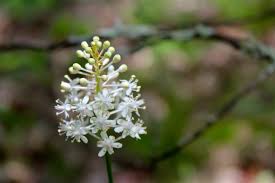
Death camas
(Zigadenus muscitoxicus)
Also Known As
Death camas, Deathcamas, Muscitoxic deathcamas
About This Plant
Zigadenus muscitoxicus is a highly toxic plant species that belongs to the Melanthiaceae family. It is commonly known as the Fly Poison or the Death Camas plant. The plant is native to North America and is found in the central and western regions of the United States.
Plant Care Instructions
Outdoor Size Range
12-36 inches (30-91 cm)
Light Requirements
The Fly Poison plant requires full sun to partial shade. It can tolerate direct sunlight but prefers some shade during the hottest part of the day.
Humidity Needs
The Fly Poison plant prefers low to moderate humidity levels. It can tolerate dry air but may benefit from occasional misting during hot and dry weather.
Fertilizing Schedule
The Fly Poison plant does not require regular fertilization. A balanced fertilizer can be applied during the growing season to promote growth.
Pruning Guidelines
The plant does not require regular pruning. Dead or damaged leaves and stems can be removed as needed.
Common Pests and Diseases
The Fly Poison plant is toxic to humans and animals. It can cause severe illness or death if ingested. It does not have any common pests or diseases.
Indoor Size Range
N/A
Watering Schedule
The plant requires moderate watering. It prefers well-draining soil and should be watered when the top inch of soil is dry to the touch.
Temperature Range
The plant can tolerate a wide range of temperatures but prefers cooler temperatures. It can tolerate temperatures as low as -40°F (-40°C) and as high as 100°F (38°C).
Growing Season
The plant blooms in late spring to early summer.
Growing Difficulty Level
The Fly Poison plant is difficult to grow due to its toxicity and specific growing requirements. It is not recommended for novice gardeners.
USDA Hardiness Zones
The Fly Poison plant is hardy in USDA zones 4-8.
Did You Know?
The Fly Poison plant gets its name from its toxic properties. It was traditionally used by Native American tribes to poison flies and other insects, hence the common name 'Fly Poison'.
