Special Web Offer - Get 50% OFF!
Grab Your Deal Now
PlantSnap
Plant Care
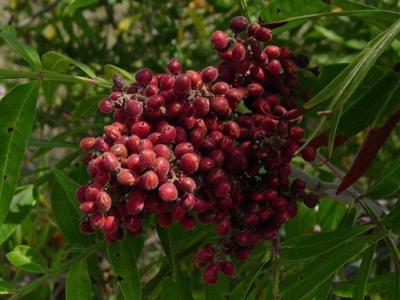
Flameleaf sumac
(Flameleaf sumac)
Also Known As
Flameleaf sumac, Rhus lanceolata, Lanceleaf sumac, Desert sumac
About This Plant
Flameleaf sumac is a deciduous shrub or small tree that is native to North America. It is known for its bright red foliage in the fall and its clusters of small yellow flowers in the spring. The plant produces small red berries in the summer that are a food source for birds and other wildlife.
Plant Care Instructions
Outdoor Size Range
3-20 feet (0.9-6.1 meters)
Light Requirements
Flameleaf sumac prefers full sun to partial shade.
Humidity Needs
Flameleaf sumac does not have any specific humidity requirements.
Fertilizing Schedule
Flameleaf sumac does not require fertilization, but a slow-release fertilizer can be applied in the spring if desired.
Pruning Guidelines
Prune flameleaf sumac in late winter or early spring to remove dead or damaged branches. It can also be pruned to maintain the desired shape.
Common Pests and Diseases
Flameleaf sumac is not commonly affected by pests or diseases.
Indoor Size Range
Not suitable for indoor cultivation.
Watering Schedule
This plant is drought-tolerant and does not require frequent watering. Water deeply once a week during the growing season.
Temperature Range
This plant can tolerate a wide range of temperatures, from -20°F to 110°F (-28°C to 43°C).
Growing Season
Flameleaf sumac grows from late spring to early fall.
Growing Difficulty Level
Flameleaf sumac is easy to grow and requires minimal maintenance.
USDA Hardiness Zones
USDA hardiness zones 5-9.
Did You Know?
Native American tribes used the berries of the flameleaf sumac to make a lemonade-like beverage.
