Special Web Offer - Get 50% OFF!
Grab Your Deal Now
PlantSnap
Plant Care
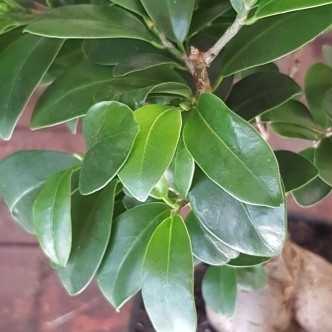
Indian laurel fig
(Ficus retusa)
Also Known As
Indian laurel fig, Chinese banyan, Retusa fig, Ginseng bonsai, Banyan fig
About This Plant
Ficus retusa is a species of evergreen tree native to Southeast Asia. It is commonly grown as a bonsai tree due to its ability to develop aerial roots and a thick trunk. The leaves are small, oval-shaped, and glossy.
Plant Care Instructions
Outdoor Size Range
30-60 feet (9-18 meters)
Light Requirements
Ficus retusa prefers bright, indirect light. It can tolerate some direct sunlight, but too much can cause leaf burn.
Humidity Needs
Ficus retusa prefers moderate to high humidity levels. Mist the leaves regularly or place the plant on a tray of pebbles filled with water to increase humidity.
Fertilizing Schedule
Feed Ficus retusa every 2-3 weeks during the growing season (spring and summer) with a balanced, water-soluble fertilizer. Reduce or stop fertilizing in winter.
Pruning Guidelines
Prune Ficus retusa in the spring to shape the tree and remove any dead or damaged branches. Pinch back new growth regularly to encourage branching and a fuller appearance.
Common Pests and Diseases
Common pests for Ficus retusa include spider mites, mealybugs, and scale insects. Diseases such as root rot and leaf spot can also occur with overwatering or poor air circulation.
Indoor Size Range
6-24 inches (15-60 cm)
Watering Schedule
Water Ficus retusa when the top inch of soil feels dry to the touch. Avoid overwatering, as this can lead to root rot. In winter, reduce watering frequency.
Temperature Range
Ficus retusa prefers temperatures between 65-75°F (18-24°C). It can tolerate temperatures as low as 50°F (10°C) and as high as 95°F (35°C), but sudden temperature changes can cause leaf drop.
Growing Season
Spring and summer
Growing Difficulty Level
Ficus retusa is moderately difficult to grow. It requires consistent care and attention to thrive, but with proper care, it can be a rewarding and beautiful addition to any indoor or outdoor space.
USDA Hardiness Zones
10-12
Did You Know?
The Banyan Fig is considered a symbol of peace, prosperity, and longevity in many cultures, and is often used in feng shui to bring positive energy into a space.