Special Web Offer - Get 50% OFF!
Grab Your Deal Now
PlantSnap
Plant Care
Hairy fig
(Ficus hispida)
Also Known As
Hairy fig, Fuzzy fig, Hispid fig
About This Plant
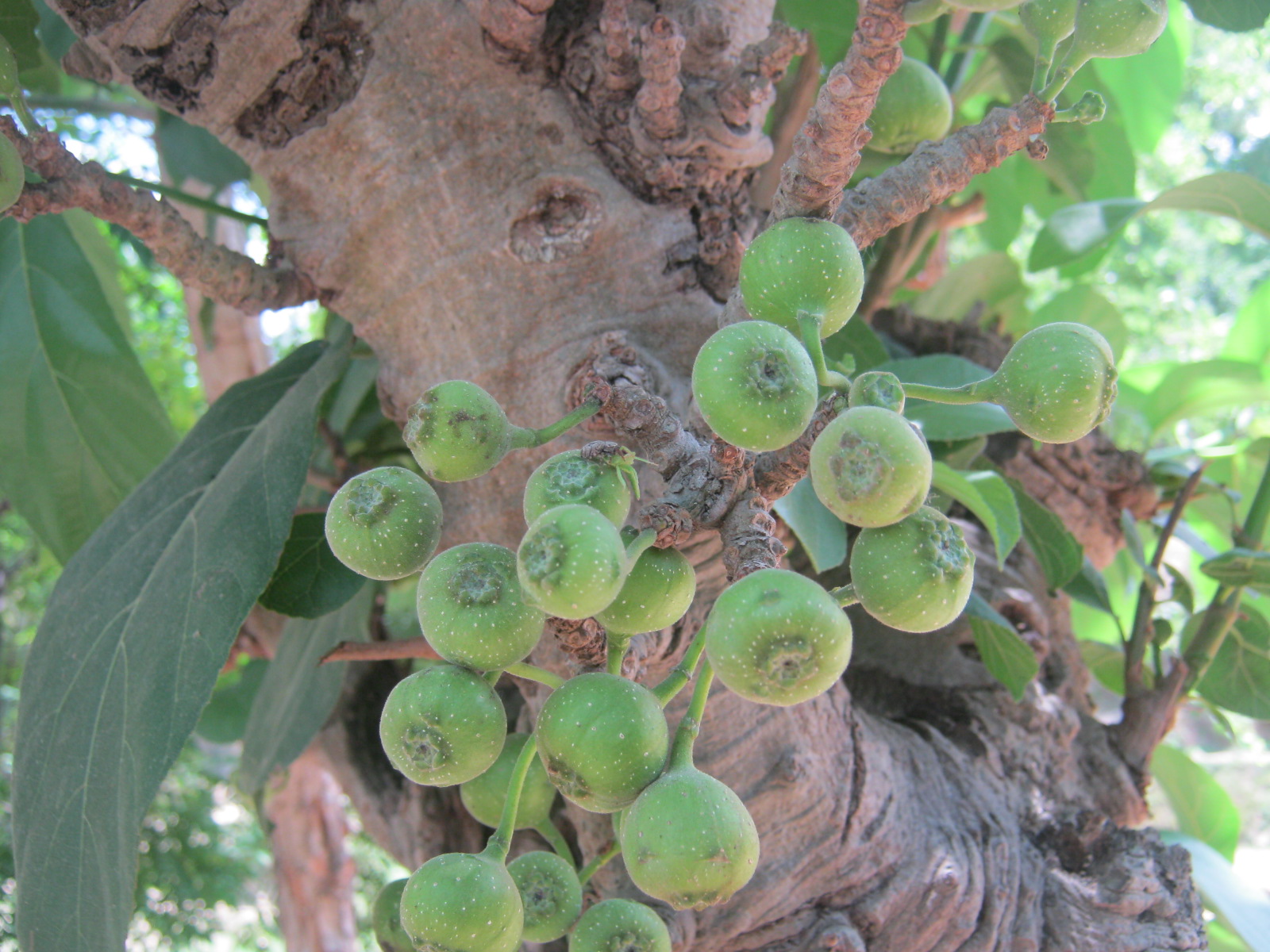
Ficus hispida is a species of fig tree that is native to Southeast Asia. It is a small to medium-sized tree that can grow up to 20 meters tall. The leaves are dark green and glossy, with a slightly rough texture on top and a fuzzy texture on the bottom. The fruit is small and round, with a pinkish-red color when ripe.
Plant Care Instructions
Outdoor Size Range
20-65 feet (609.6-1981 cm)
Light Requirements
Ficus hispida prefers bright, indirect light. It can tolerate some direct sunlight, but too much can burn the leaves.
Humidity Needs
Ficus hispida prefers high humidity levels, around 50-60%. It can tolerate lower humidity levels, but may suffer from dry leaf edges.
Fertilizing Schedule
Ficus hispida benefits from regular fertilization during the growing season (spring and summer). Use a balanced fertilizer every 4-6 weeks.
Pruning Guidelines
Prune Ficus hispida in the late winter or early spring to control its size and shape. It can be pruned back hard if necessary.
Common Pests and Diseases
Common pests for Ficus hispida include spider mites, mealybugs, and scale insects. It may also be susceptible to fungal diseases.
Indoor Size Range
4-6 feet (121.92-182.88 cm)
Watering Schedule
Water Ficus hispida when the top inch of soil feels dry. Do not allow the soil to dry out completely or become waterlogged.
Temperature Range
Ficus hispida prefers temperatures between 60-75°F (15.6-23.9°C). It can tolerate temperatures as low as 50°F (10°C) and as high as 90°F (32.2°C).
Growing Season
Spring and summer are the growing season for Ficus hispida.
Growing Difficulty Level
Ficus hispida is moderately difficult to grow. It requires consistent care and attention to thrive.
USDA Hardiness Zones
Ficus hispida is hardy in USDA zones 10-11.
Did You Know?
Ficus hispida is commonly used in traditional medicine in Southeast Asia to treat a variety of ailments, including diabetes and high blood pressure.