Special Web Offer - Get 50% OFF!
Grab Your Deal Now
PlantSnap
Plant Care
Rubber plant
(Ficus elastica)
Also Known As
Rubber plant, Rubber tree, India rubber fig
About This Plant
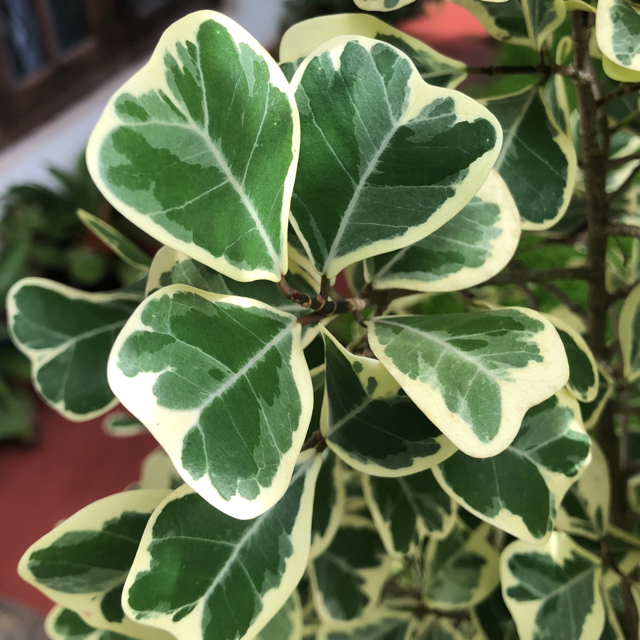
Ficus elastica is a species of evergreen tropical tree that is native to Southeast Asia. It is known for its large, glossy, and leathery leaves that are typically dark green in color, although some cultivars have variegated or burgundy leaves. The plant is commonly grown as a houseplant or as an outdoor ornamental tree in tropical and subtropical regions.
Plant Care Instructions
Outdoor Size Range
30-80 feet (9-24 m)
Light Requirements
Ficus elastica prefers bright, indirect light but can tolerate some direct sun. It is best to avoid placing the plant in a location with low light levels.
Humidity Needs
Ficus elastica prefers high humidity levels, so it is recommended to mist the leaves regularly or place the plant on a tray of pebbles with water.
Fertilizing Schedule
Ficus elastica requires regular fertilization during the growing season with a balanced, water-soluble fertilizer.
Pruning Guidelines
Pruning is not necessary for the rubber plant, but it can be done to control its size or shape. It is best to prune in the spring or summer.
Common Pests and Diseases
Common pests for Ficus elastica include spider mites, mealybugs, and scale insects. It is also susceptible to root rot if overwatered.
Indoor Size Range
2-10 feet (60-300 cm)
Watering Schedule
The rubber plant prefers consistently moist soil, but it should not be overwatered. Watering should be reduced during the winter months.
Temperature Range
The plant prefers temperatures between 60-75°F (15-24°C), but it can tolerate temperatures as low as 50°F (10°C).
Growing Season
The rubber plant can be grown year-round indoors, but it grows best during the spring and summer months.
Growing Difficulty Level
Ficus elastica is considered a relatively easy plant to grow, but it requires attention to its watering and humidity needs. It can be propagated through stem cuttings.
USDA Hardiness Zones
Ficus elastica is not cold-hardy and can only be grown outdoors in USDA hardiness zones 10-12.
Did You Know?
Ficus elastica is a source of latex, which was formerly used to make rubber before synthetic rubber was developed.