Special Web Offer - Get 50% OFF!
Grab Your Deal Now
PlantSnap
Plant Care
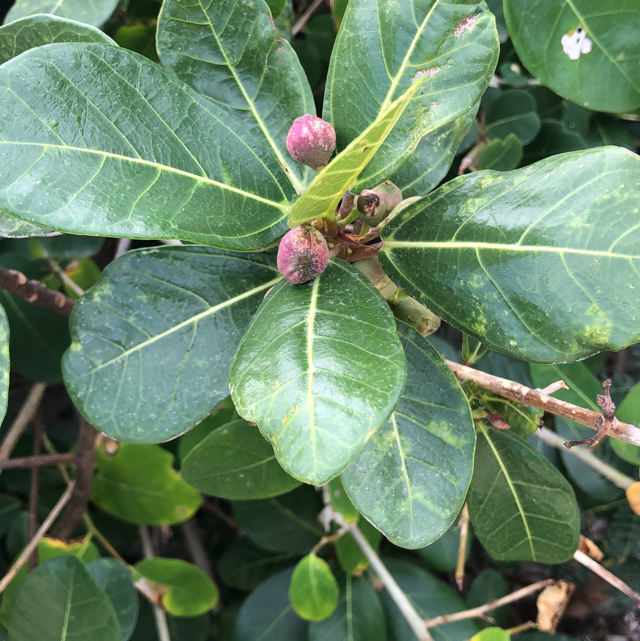
Banyan tree
(Ficus benghalensis)
Also Known As
Banyan tree, Balete tree, Indian fig tree
About This Plant
Ficus benghalensis, also known as the Banyan tree, is a species of fig tree native to the Indian subcontinent and Southeast Asia. It is a large and fast-growing tree that can grow up to 100 feet (30 meters) tall and 200 feet (60 meters) wide, with a massive trunk and aerial roots that can grow into secondary trunks.
Plant Care Instructions
Outdoor Size Range
Up to 100 feet (30 meters) tall and 200 feet (60 meters) wide
Light Requirements
Ficus benghalensis prefers full sun to partial shade. It can tolerate low light conditions but may not grow as vigorously.
Humidity Needs
Ficus benghalensis prefers high humidity levels. It can tolerate low humidity but may develop brown spots on the leaves.
Fertilizing Schedule
Ficus benghalensis should be fertilized every two weeks during the growing season with a balanced fertilizer. Reduce fertilization during the winter months.
Pruning Guidelines
Prune the plant to control its size and shape. It can be pruned at any time of the year. Wound dressing is not necessary.
Common Pests and Diseases
Common pests for Ficus benghalensis include mealybugs, spider mites, and scale insects. It is also susceptible to root rot.
Indoor Size Range
Not suitable for indoor growth
Watering Schedule
The plant needs to be watered regularly, especially during the growing season. The soil should be kept moist but not waterlogged. Reduce watering during the winter months.
Temperature Range
The plant can tolerate a wide range of temperatures from 50°F (10°C) to 100°F (38°C). It prefers warm temperatures and should be protected from frost.
Growing Season
The growing season for Ficus benghalensis is from spring to fall.
Growing Difficulty Level
Ficus benghalensis is relatively easy to grow as long as it is provided with the right conditions. It can be a challenging plant to maintain due to its size.
USDA Hardiness Zones
Ficus benghalensis can be grown in USDA hardiness zones 10 and 11.
Did You Know?
The Banyan tree is considered sacred in India and is often associated with longevity and immortality. It is also the national tree of India.