Special Web Offer - Get 50% OFF!
Grab Your Deal Now
PlantSnap
Plant Care
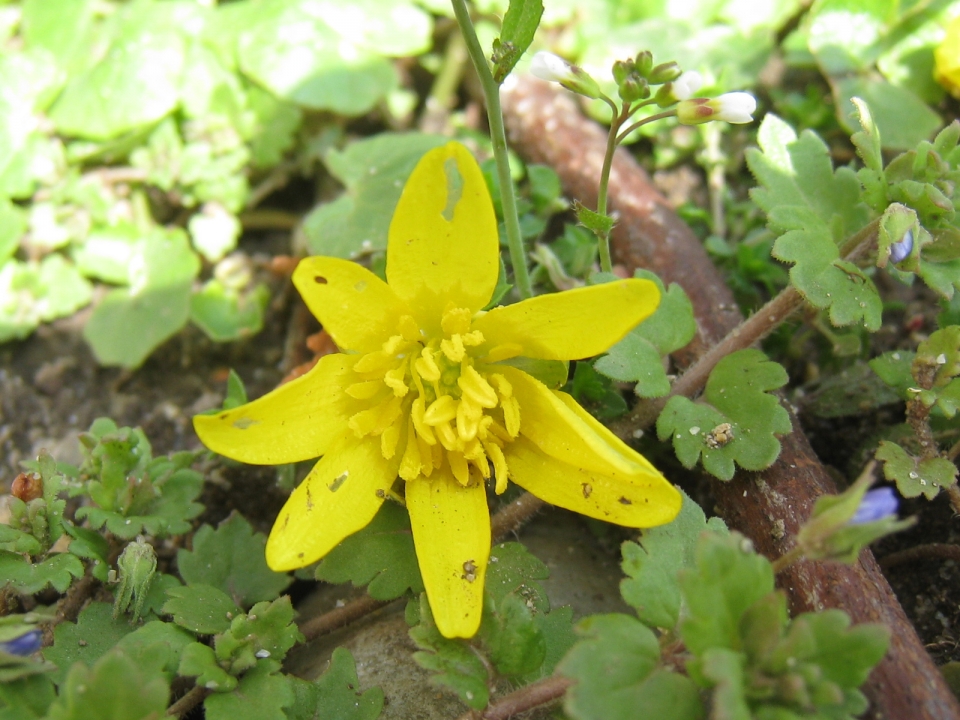
Lesser celandine
(Ficaria verna)
Also Known As
Lesser celandine, Fig buttercup, Ficaria
About This Plant
Ficaria verna is a perennial flowering plant species that belongs to the Ranunculaceae family. It is also known as lesser celandine, pilewort, and fig buttercup. This plant species is native to Europe and western Asia and is commonly found in damp and shady areas such as woodlands, meadows, and riverbanks.
Plant Care Instructions
Outdoor Size Range
6-12 inches (15-30 cm)
Light Requirements
Ficaria verna prefers partial to full shade and can tolerate some sunlight in cooler climates.
Humidity Needs
Ficaria verna can tolerate average humidity levels.
Fertilizing Schedule
Ficaria verna does not require fertilizer, but can benefit from a light application of organic compost in the spring.
Pruning Guidelines
This plant species does not require pruning, but deadheading can encourage more blooms.
Common Pests and Diseases
Ficaria verna is not commonly affected by pests or diseases.
Indoor Size Range
6-12 inches (15-30 cm)
Watering Schedule
This plant species requires consistently moist soil and should not be allowed to dry out.
Temperature Range
This plant species prefers cooler temperatures and can tolerate frost.
Growing Season
Ficaria verna typically blooms in early spring and goes dormant in the summer.
Growing Difficulty Level
Ficaria verna is relatively easy to grow and can be a good option for beginners.
USDA Hardiness Zones
Ficaria verna can be grown in USDA hardiness zones 3-7.
Did You Know?
In some cultures, Ficaria verna is considered a symbol of hope and resurrection due to its ability to bloom so early in the spring.
