Special Web Offer - Get 50% OFF!
Grab Your Deal Now
PlantSnap
Plant Care
American beech
(Fagus grandifolia)
Also Known As
American beech, Fagus, Beech tree
About This Plant
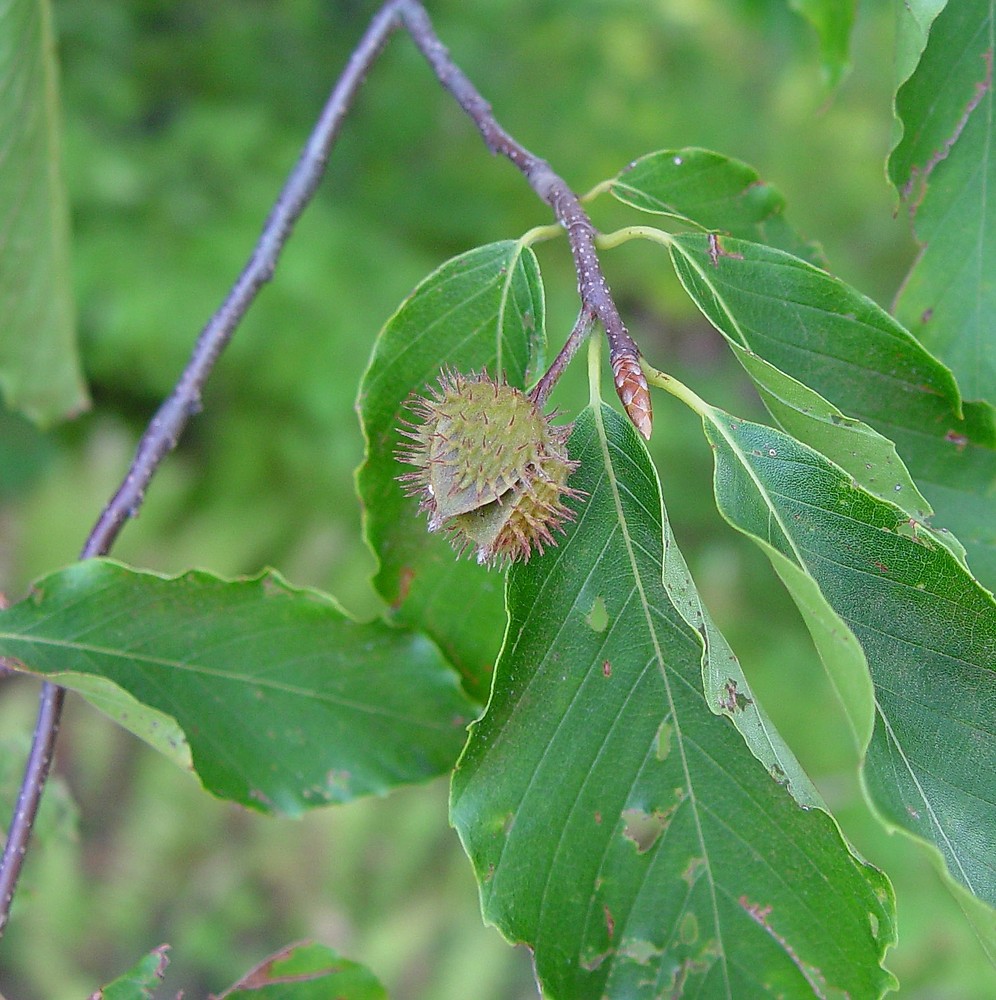
Fagus grandifolia is a deciduous tree that is native to eastern North America. It is known for its smooth, gray bark and large, oval-shaped leaves that turn a beautiful yellow-orange color in the fall. The tree produces small, inconspicuous flowers in the spring that give way to triangular nuts that are encased in a prickly husk.
Plant Care Instructions
Outdoor Size Range
50-80 feet (15.24-24.38 meters) tall and 40-60 feet (12.19-18.29 meters) wide
Light Requirements
Fagus grandifolia prefers partial shade to full sun, although it can tolerate some shade. It is best to plant it in a location that receives morning sun and afternoon shade.
Humidity Needs
Fagus grandifolia prefers moderate humidity levels, but can tolerate low humidity.
Fertilizing Schedule
Fagus grandifolia does not require fertilizer, but can benefit from a slow-release, balanced fertilizer in the spring.
Pruning Guidelines
Prune the tree in late winter or early spring before new growth appears. Remove any dead, diseased or damaged branches, as well as any crossing branches that may rub against each other. It is important to maintain the tree's natural shape and avoid over-pruning.
Common Pests and Diseases
The American Beech is susceptible to a number of pests and diseases, including beech bark disease, beech leaf disease, and beech blight aphids.
Indoor Size Range
N/A
Watering Schedule
The American Beech prefers well-draining soil that is kept consistently moist. It is important to water the tree deeply and regularly during periods of drought.
Temperature Range
This tree is hardy in USDA zones 3-9 and can tolerate a wide range of temperatures.
Growing Season
The growing season for Fagus grandifolia is from late spring to early fall.
Growing Difficulty Level
Fagus grandifolia is considered a moderately difficult tree to grow, as it has specific soil and moisture requirements. However, with proper care and maintenance, it can thrive in a variety of growing conditions.
USDA Hardiness Zones
3-9
Did You Know?
The smooth, gray bark of the American Beech was once used to carve love messages and other graffiti. It is also a popular tree for bonsai enthusiasts.