Special Web Offer - Get 50% OFF!
Grab Your Deal Now
PlantSnap
Plant Care
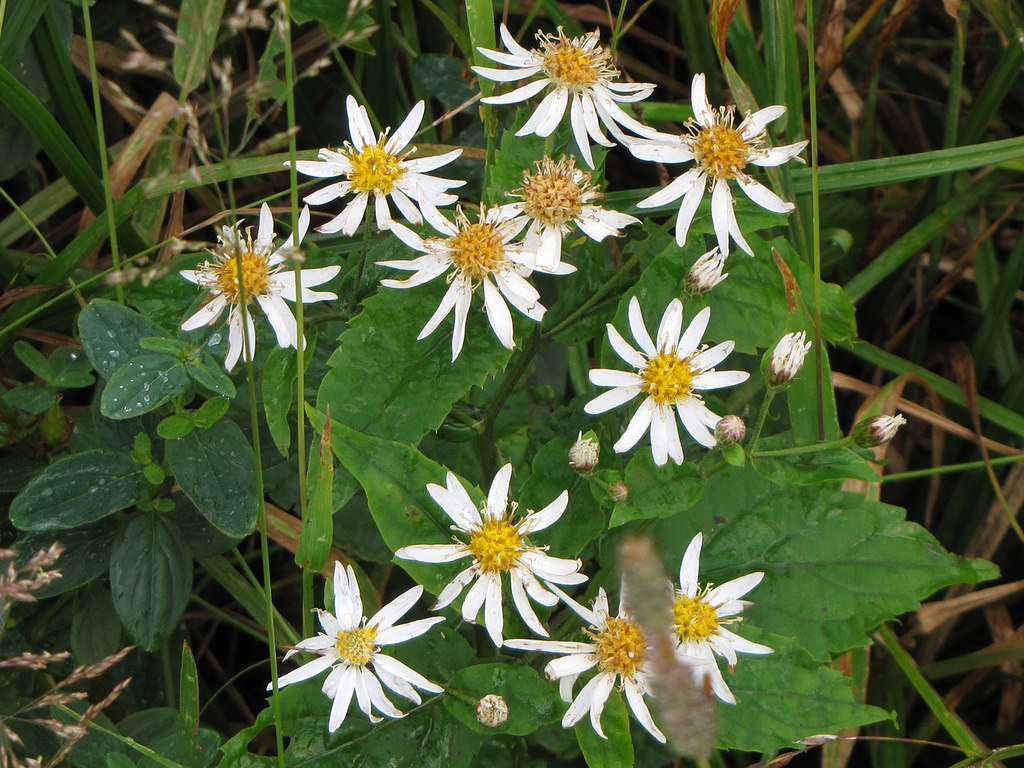
Mountain wood aster
(Eurybia chlorolepis)
Also Known As
Mountain wood aster, Green-leafed aster, Chlorolepis aster
About This Plant
Eurybia chlorolepis is a species of flowering plant in the family Asteraceae, native to the eastern United States. It is a herbaceous perennial growing up to 3 feet (91 cm) tall, with yellow-centered, blue-purple flowers in late summer and early autumn.
Plant Care Instructions
Outdoor Size Range
Height: 2-4 feet (60-120 cm), Spread: 1-2 feet (30-60 cm)
Light Requirements
Eurybia chlorolepis prefers full sun to partial shade (at least 4 hours of direct sunlight per day) for optimal growth.
Humidity Needs
Eurybia chlorolepis prefers average to high humidity levels. Mist the leaves regularly to increase humidity.
Fertilizing Schedule
Fertilize the plant once a month during the growing season (spring to fall) with a balanced fertilizer. Do not fertilize during the winter months.
Pruning Guidelines
Prune the plant in early spring before new growth appears to remove any dead or damaged foliage. Pinch back the stems in early summer to encourage bushier growth.
Common Pests and Diseases
Eurybia chlorolepis is relatively pest-free, but may occasionally be attacked by aphids, spider mites, or whiteflies. Treat infestations with insecticidal soap or neem oil.
Indoor Size Range
Not suitable for indoor cultivation.
Watering Schedule
Water the plant regularly, especially during hot and dry weather. Keep the soil moist but not waterlogged.
Temperature Range
Eurybia chlorolepis is hardy in USDA zones 4 to 8. It prefers cool to moderate temperatures, with a range of 50-75°F (10-24°C).
Growing Season
Eurybia chlorolepis grows best in the spring and summer months.
Growing Difficulty Level
Eurybia chlorolepis is relatively easy to grow, but requires regular watering and pruning to maintain its shape and prevent disease.
USDA Hardiness Zones
USDA hardiness zones 4 to 8.
Did You Know?
The genus name Eurybia is derived from the Greek words 'eurys', meaning 'wide', and 'bios', meaning 'life', referring to the wide distribution of the genus across North America.
