Special Web Offer - Get 50% OFF!
Grab Your Deal Now
PlantSnap
Plant Care
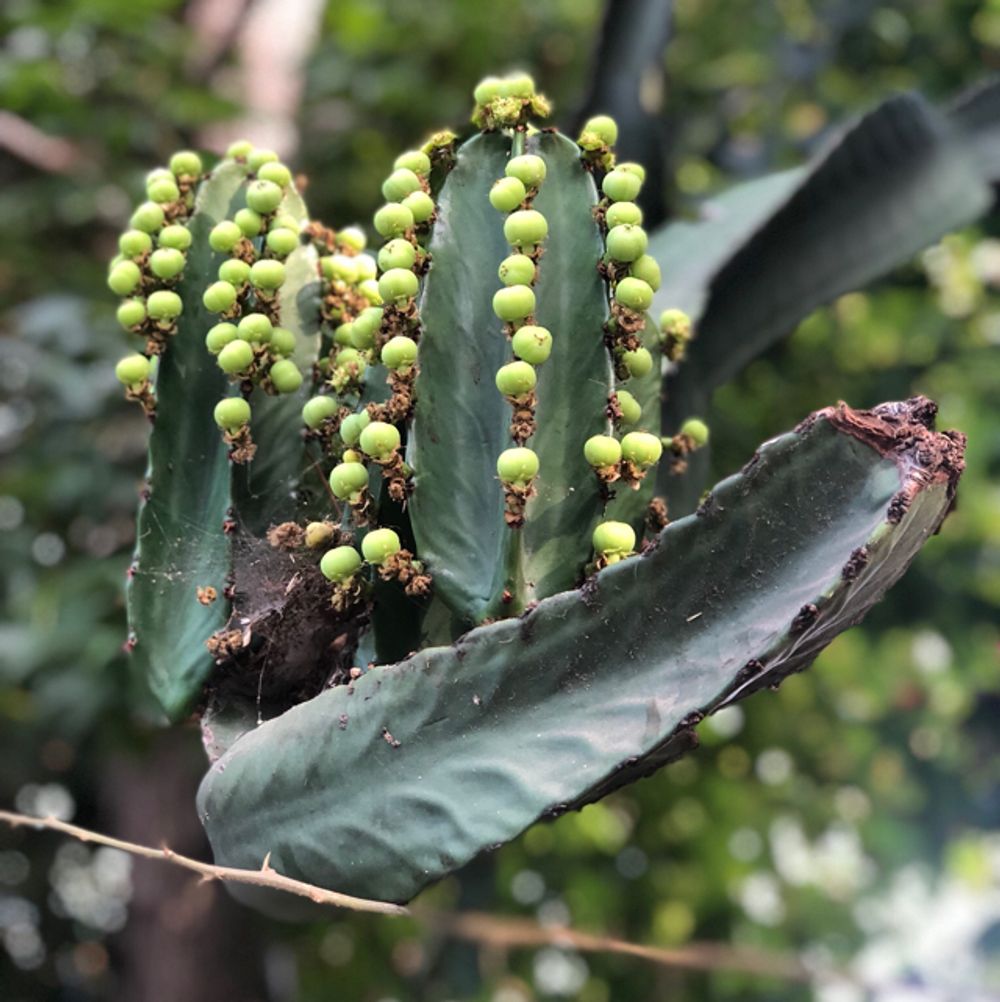
Candelabra tree
(Euphorbia ingens)
Also Known As
Candelabra tree, African milk barrel, Giant euphorbia, Candelabra cactus, Milk barrel cactus
About This Plant
Euphorbia ingens is a succulent plant species that belongs to the Euphorbia genus. It is commonly known as the Candelabra Tree due to its tall, branching growth habit. The plant has a grey-green stem and produces small, yellow-green flowers.
Plant Care Instructions
Outdoor Size Range
20-30 feet (6-9 meters)
Light Requirements
Euphorbia ingens prefers bright, direct sunlight for at least 6 hours a day when grown indoors. Outdoors, it can tolerate partial shade.
Humidity Needs
Euphorbia ingens prefers low humidity levels, making it a good choice for dry climates.
Fertilizing Schedule
Feed the plant with a balanced, water-soluble fertilizer once a month during the growing season (spring and summer). Do not fertilize during the dormant season (fall and winter).
Pruning Guidelines
Prune the plant to maintain its shape and size. Wear gloves and protective clothing when pruning, as the sap can be irritating to the skin and eyes.
Common Pests and Diseases
Common pests for Euphorbia ingens include mealybugs, spider mites, and scale insects. Diseases are rare, but overwatering can lead to root rot.
Indoor Size Range
36-48 inches (91-122 cm)
Watering Schedule
Water the plant deeply but infrequently, allowing the soil to dry out completely between waterings. Overwatering can lead to root rot.
Temperature Range
The plant can tolerate a wide range of temperatures, from 50-100°F (10-38°C). However, it is best to keep it above 60°F (15°C) to prevent damage.
Growing Season
The growing season for Euphorbia ingens is spring and summer.
Growing Difficulty Level
Euphorbia ingens is relatively easy to grow and can tolerate a wide range of conditions. However, it is important to handle the plant with care due to its toxic sap.
USDA Hardiness Zones
Euphorbia ingens is hardy in USDA zones 9-11.
Did You Know?
The sap of Euphorbia ingens is highly toxic and can cause skin and eye irritation. It is also used in traditional medicine to treat a variety of ailments, including warts and skin cancer.
