Special Web Offer - Get 50% OFF!
Grab Your Deal Now
PlantSnap
Plant Care
Medusa's head
(Euphorbia caput-medusae)
Also Known As
Medusa's head, Euphorbia medusae, African milk barrel
About This Plant
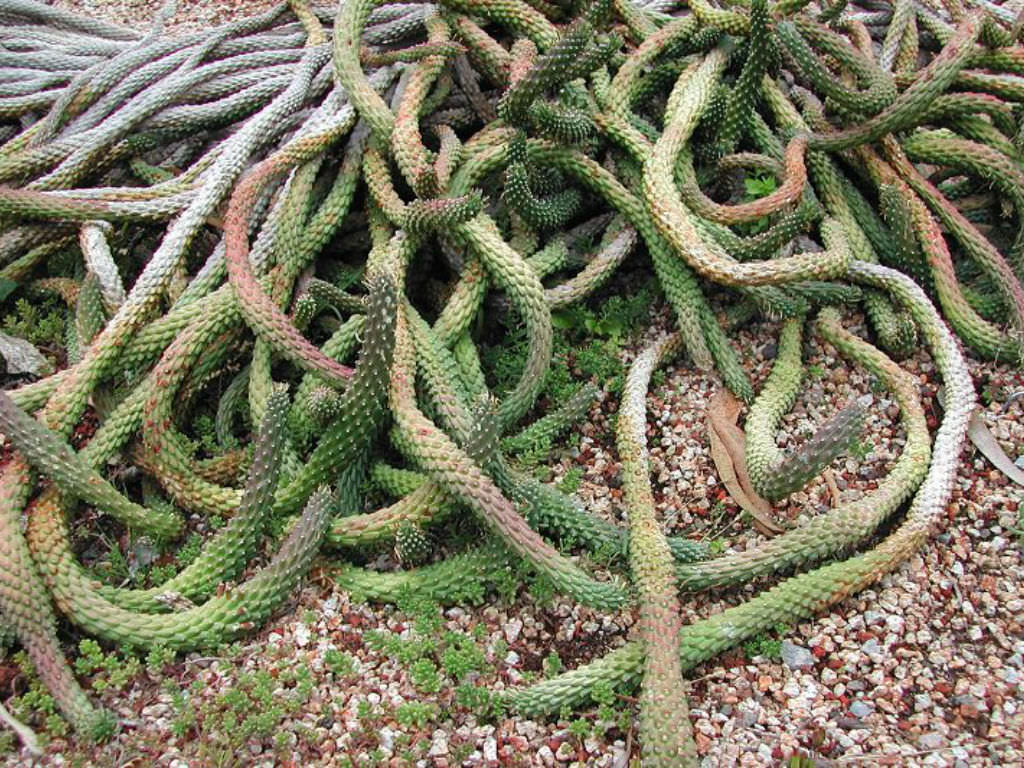
Euphorbia caput-medusae is a succulent plant species that is native to South Africa. The plant gets its name from its unique appearance, which resembles the head of Medusa from Greek mythology. The stem of the plant is thick and fleshy, with numerous green, snake-like branches that grow upwards and outwards. The plant produces small, yellow flowers that are surrounded by a crown of green leaves.
Plant Care Instructions
Outdoor Size Range
12-24 inches (30-60 cm)
Light Requirements
Euphorbia caput-medusae prefers bright, indirect light. It can tolerate some direct sunlight, but too much can scorch the leaves. Indoors, the plant can be placed near a south-facing window. Outdoors, it should be placed in a partially shaded area.
Humidity Needs
Euphorbia caput-medusae prefers low humidity levels. It can tolerate dry air and does not require misting.
Fertilizing Schedule
The plant should be fertilized once a month during the growing season with a balanced, water-soluble fertilizer. No fertilizer is necessary during the winter.
Pruning Guidelines
The plant does not require pruning, but dead or damaged branches can be removed as needed.
Common Pests and Diseases
Euphorbia caput-medusae is susceptible to mealybugs, spider mites, and scale insects. These pests can be treated with insecticidal soap or neem oil.
Indoor Size Range
6-12 inches (15-30 cm)
Watering Schedule
The plant should be watered sparingly, allowing the soil to dry out between waterings. Overwatering can lead to root rot. In the winter, the plant should be watered even less frequently.
Temperature Range
The plant prefers warm temperatures between 60-85°F (15-29°C). It can tolerate cooler temperatures down to 50°F (10°C), but should be protected from frost.
Growing Season
The growing season for Euphorbia caput-medusae is in the spring and summer months.
Growing Difficulty Level
Euphorbia caput-medusae is considered moderately difficult to grow. It requires well-draining soil, infrequent watering, and protection from frost. However, it is relatively low-maintenance and can tolerate some neglect.
USDA Hardiness Zones
Euphorbia caput-medusae is hardy in USDA zones 10-11.
Did You Know?
The milky sap of Euphorbia caput-medusae is toxic and can cause skin irritation and eye damage. It should be handled with care and kept away from children and pets.
