Special Web Offer - Get 50% OFF!
Grab Your Deal Now
PlantSnap
Plant Care
Bivona's spurge
(Euphorbia bivonae)
Also Known As
Bivona's spurge, Bivona's euphorbia
About This Plant
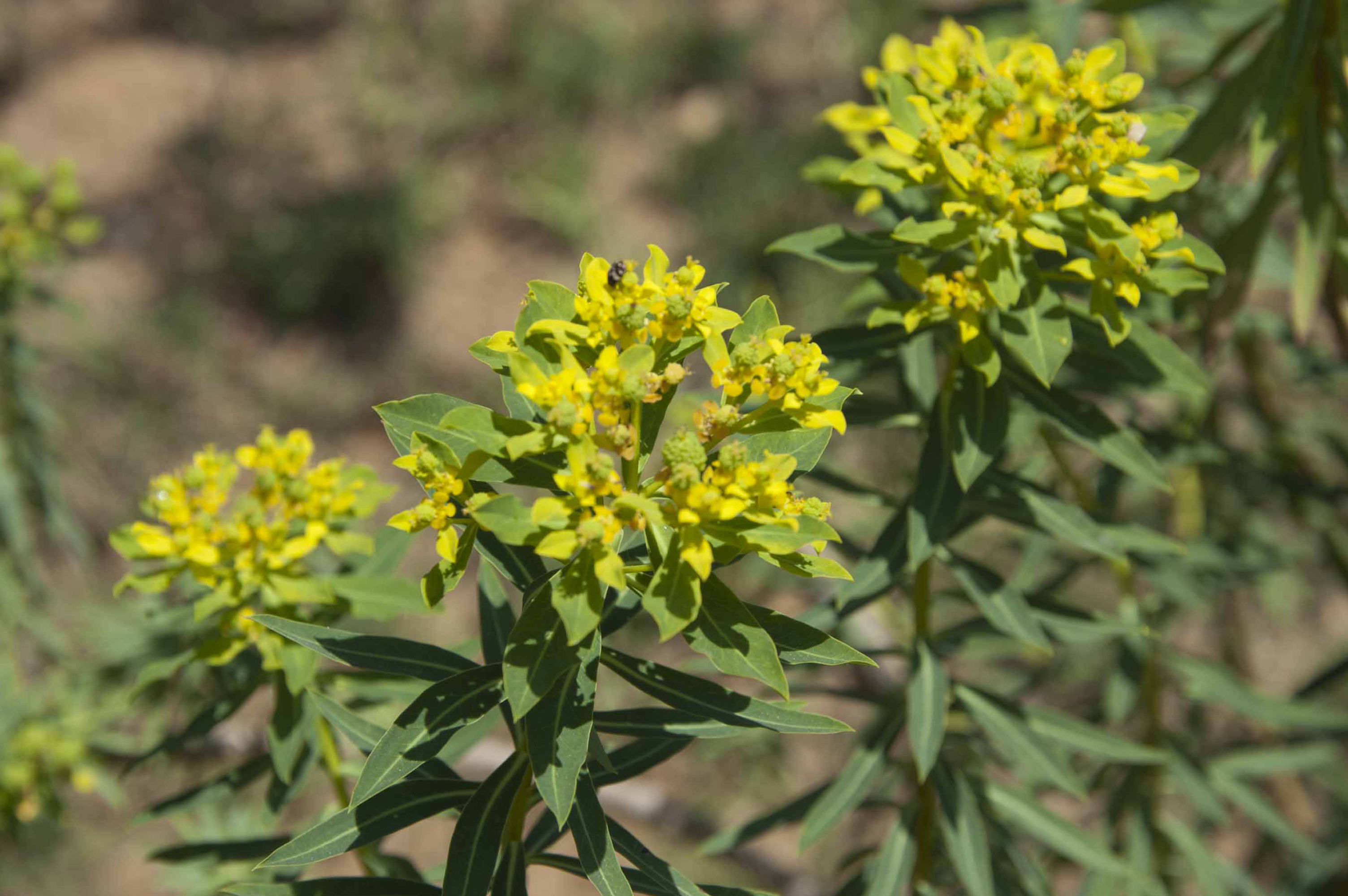
Euphorbia bivonae is a succulent plant species that belongs to the Euphorbia genus. It has a unique, columnar growth habit and produces small, yellow-green flowers in the spring and summer. The plant is known for its milky sap, which can cause skin irritation and is toxic if ingested.
Plant Care Instructions
Outdoor Size Range
3-6 feet (90-180 cm)
Light Requirements
Euphorbia bivonae prefers bright, indirect light. Direct sunlight can scorch the leaves and cause the plant to wilt.
Humidity Needs
Euphorbia bivonae does not require high humidity levels.
Fertilizing Schedule
Feed the plant with a balanced, water-soluble fertilizer every 2-3 months during the growing season (spring and summer).
Pruning Guidelines
Prune the plant in the spring to remove any dead or damaged growth. Wear gloves and protective clothing when handling the plant, as the sap can cause skin irritation.
Common Pests and Diseases
Common pests for Euphorbia bivonae include mealybugs and spider mites. Regularly inspect the plant for signs of infestation and treat with an insecticidal soap if necessary.
Indoor Size Range
12-24 inches (30-60 cm)
Watering Schedule
Water the plant thoroughly when the soil is dry to the touch. Allow the soil to drain completely and avoid letting the plant sit in standing water.
Temperature Range
The plant prefers temperatures between 60-75°F (15-24°C).
Growing Season
The growing season for Euphorbia bivonae is spring and summer.
Growing Difficulty Level
Euphorbia bivonae is relatively easy to grow, but care should be taken when handling the plant due to its toxic sap.
USDA Hardiness Zones
Euphorbia bivonae is hardy in USDA zones 9-11.
Did You Know?
In its native habitat on the island of Sicily, Euphorbia bivonae is often found growing on rocky outcroppings and cliffs.