Special Web Offer - Get 50% OFF!
Grab Your Deal Now
PlantSnap
Plant Care
Bifid spurge
(Euphorbia bifida)
Also Known As
Bifid spurge, Cactus spurge, Small spurge
About This Plant
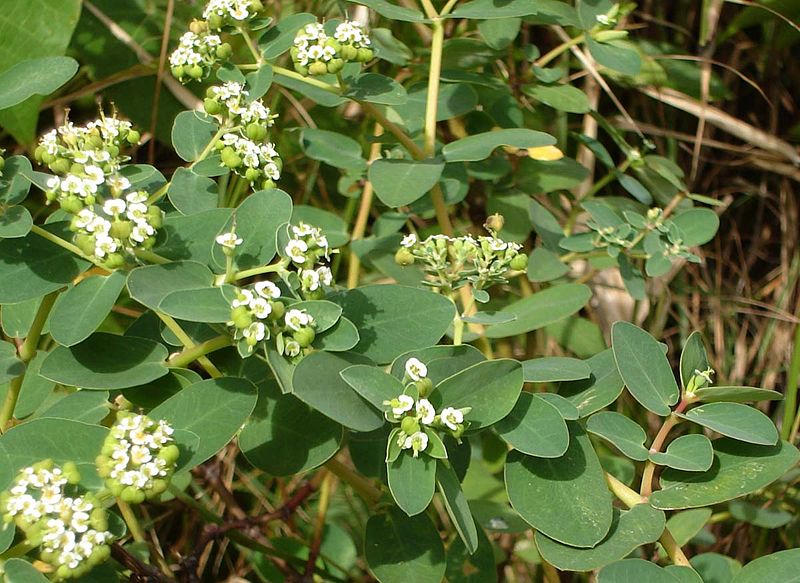
Euphorbia bifida is a succulent plant species that belongs to the Euphorbia genus. It is also known as the candelilla plant, and it is native to the Chihuahuan Desert in North America. The plant has a unique appearance with cylindrical stems and small, round leaves that are arranged in pairs. It produces white or pink flowers that bloom in the spring and summer.
Plant Care Instructions
Outdoor Size Range
12-24 inches (30-60 cm)
Light Requirements
Euphorbia bifida prefers bright, indirect light. It can tolerate some direct sunlight, but too much can cause the plant to burn.
Humidity Needs
Euphorbia bifida does not require high humidity levels and can tolerate dry air.
Fertilizing Schedule
Feed the plant with a balanced, water-soluble fertilizer every two weeks during the growing season (spring and summer). Do not fertilize during the winter months.
Pruning Guidelines
Prune the plant to control its size and shape. Wear gloves when handling the plant as its sap can cause skin irritation.
Common Pests and Diseases
Common pests for Euphorbia bifida include mealybugs, spider mites, and scale insects. It can also be susceptible to root rot if overwatered.
Indoor Size Range
6-12 inches (15-30 cm)
Watering Schedule
Water the plant deeply but infrequently, allowing the soil to dry out between waterings. Overwatering can cause the plant to rot.
Temperature Range
The plant prefers warm temperatures between 60-80°F (15-27°C). It can tolerate temperatures as low as 50°F (10°C) but should be protected from frost.
Growing Season
The growing season for Euphorbia bifida is spring and summer. It goes dormant in the winter months.
Growing Difficulty Level
Euphorbia bifida is considered a moderately difficult plant to grow. It requires specific care and attention to thrive.
USDA Hardiness Zones
Euphorbia bifida is hardy in USDA zones 9-11.
Did You Know?
The sap of the Euphorbia bifida plant has been traditionally used to make candles, varnish, and even lipstick.