Special Web Offer - Get 50% OFF!
Grab Your Deal Now
PlantSnap
Plant Care
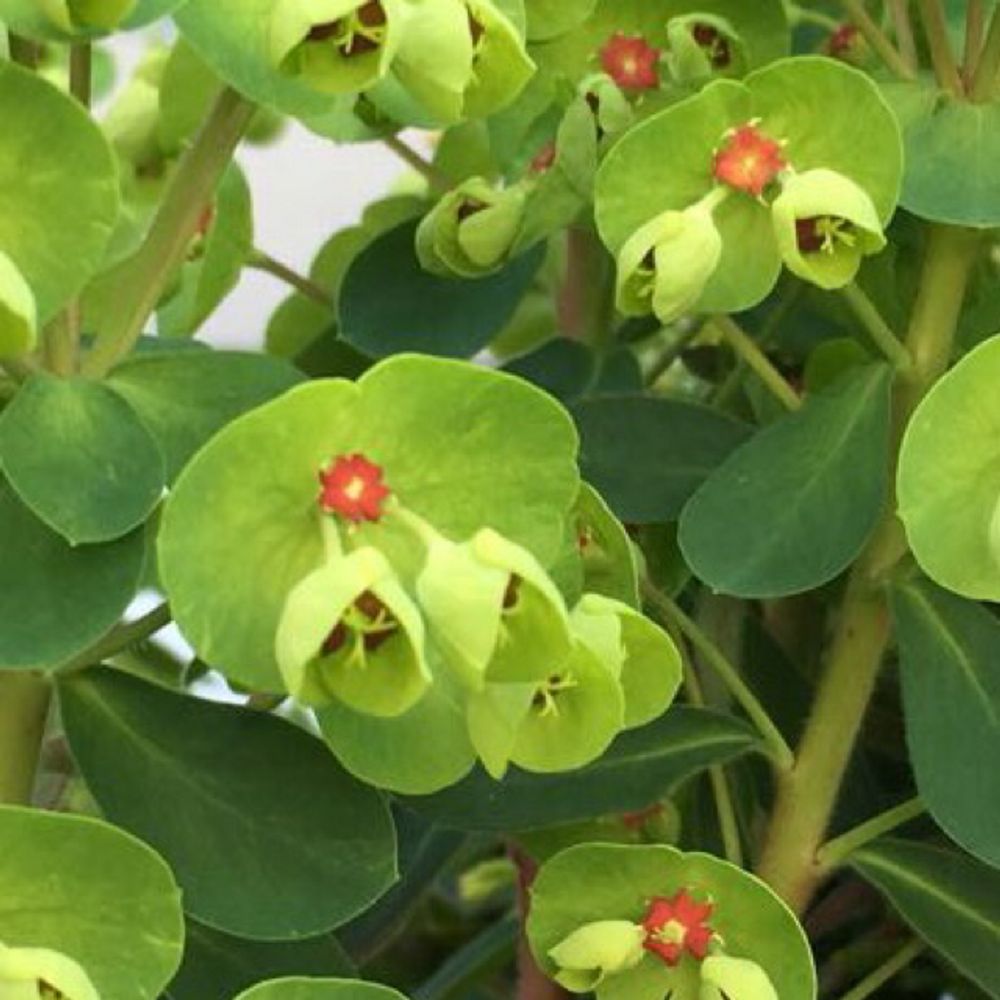
Spurge
(Euphorbia)
Also Known As
Spurge, Crown of thorns, Milkweed, Wolf's milk
About This Plant
Euphorbia is a genus of succulent plants with over 2,000 species. Most Euphorbias are native to Africa, but they can also be found in other parts of the world. They come in a variety of shapes and sizes, ranging from small, low-growing plants to large, tree-like species. Euphorbias are known for their milky sap, which can be toxic and irritating to the skin and eyes.
Plant Care Instructions
Outdoor Size Range
1 foot to 20 feet (30 cm to 609 cm)
Light Requirements
Euphorbias prefer bright, indirect light. They can tolerate some direct sunlight, but too much can burn their leaves.
Humidity Needs
Euphorbias are adaptable to a range of humidity levels, but they prefer low humidity.
Fertilizing Schedule
Euphorbias do not require frequent fertilization. Feed with a balanced, water-soluble fertilizer once a month during the growing season.
Pruning Guidelines
Euphorbias can be pruned to maintain their shape and size. Wear gloves and eye protection when pruning, as the sap can be irritating to the skin and eyes.
Common Pests and Diseases
Common pests of Euphorbias include mealybugs, spider mites, and scale insects. They can also be susceptible to root rot if overwatered.
Indoor Size Range
6 inches to 4 feet (15 cm to 122 cm)
Watering Schedule
Euphorbias are drought-tolerant and prefer to dry out between waterings. Water deeply and then allow the soil to dry out completely before watering again.
Temperature Range
Euphorbias prefer warm temperatures between 60°F and 85°F (16°C and 29°C). They can tolerate temperatures as low as 50°F (10°C) but should be protected from frost.
Growing Season
Euphorbias can be grown year-round in warm climates. In cooler climates, they should be brought indoors during the winter.
Growing Difficulty Level
Euphorbias are relatively easy to grow and care for, but their toxic sap can be a hazard. They should be kept away from children and pets.
USDA Hardiness Zones
Euphorbias can be grown in USDA hardiness zones 9 to 11.
Did You Know?
The sap of some Euphorbia species has been used for medicinal purposes, including treating warts, skin infections, and cancer. However, the use of Euphorbia sap for medicinal purposes is not recommended due to its toxic properties.
