Special Web Offer - Get 50% OFF!
Grab Your Deal Now
PlantSnap
Plant Care
Camellia
(Eternal Camellias)
Also Known As
Camellia, Japanese camellia, Camellia japonica
About This Plant
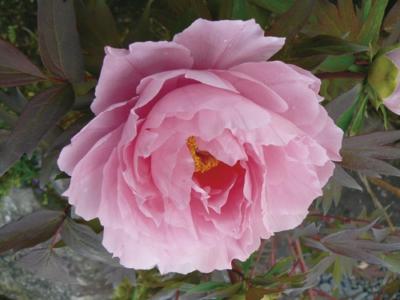
Eternal Camellias are evergreen shrubs with glossy, dark green leaves and showy, large flowers that bloom in late winter to early spring. The flowers range in color from white to pink to red and have a waxy texture. These plants are known for their longevity, with some specimens living for over 500 years.
Plant Care Instructions
Outdoor Size Range
6-20 feet (1.8-6.1 meters)
Light Requirements
Eternal Camellias prefer partial shade to full sun, depending on the climate. In hot regions, they need protection from the afternoon sun.
Humidity Needs
Eternal Camellias prefer high humidity levels, around 50-60%. They benefit from misting and placing a tray of water near the plant.
Fertilizing Schedule
Eternal Camellias need regular fertilization during the growing season, using a balanced fertilizer every 4-6 weeks. They also benefit from acidic soil, so adding coffee grounds or peat moss to the soil can help.
Pruning Guidelines
These plants benefit from light pruning after blooming to maintain their shape and promote new growth. Deadheading spent flowers can also encourage more blooms.
Common Pests and Diseases
Common pests for Eternal Camellias include scale insects, spider mites, and aphids. Diseases such as root rot and leaf spot can also occur.
Indoor Size Range
36-72 inches (91-183 cm)
Watering Schedule
These plants need regular watering, especially during the growing season. The soil should be kept moist but not waterlogged.
Temperature Range
These plants prefer cool to moderate temperatures, around 60-70°F (15-21°C). They can tolerate brief periods of colder temperatures but are sensitive to frost.
Growing Season
The growing season for Eternal Camellias is in the spring and summer, with flowers blooming in late winter to early spring.
Growing Difficulty Level
Eternal Camellias are moderately difficult to grow, requiring specific growing conditions and regular maintenance.
USDA Hardiness Zones
USDA hardiness zones 7-9.
Did You Know?
Eternal Camellias have been cultivated in Japan for over 1000 years and are a symbol of love and devotion in Japanese culture. They are also the state flower of Alabama in the United States.
