Special Web Offer - Get 50% OFF!
Grab Your Deal Now
PlantSnap
Plant Care
Peruvian old man cactus
(Espostoa lanata lanata)
Also Known As
Peruvian old man cactus, Old man of the andes, Old man cactus
About This Plant
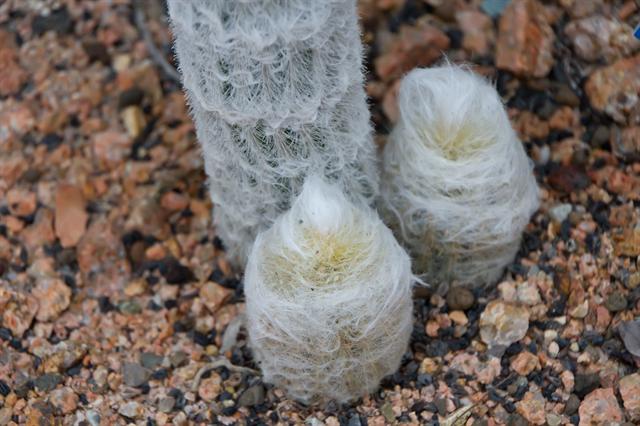
Espostoa lanata lanata is a cactus species native to Peru. It is a tall columnar cactus that can grow up to 20 feet (6 meters) in height and 6 inches (15 cm) in diameter. The plant has numerous white spines that can grow up to 2 inches (5 cm) long which gives it a fuzzy appearance. It produces small, white flowers that bloom at the top of the plant during the summer months.
Plant Care Instructions
Outdoor Size Range
Up to 20 feet (6 meters) in height and 6 inches (15 cm) in diameter
Light Requirements
Espostoa lanata lanata requires full sun to partial shade. It can tolerate direct sunlight but may need some shade during the hottest part of the day.
Humidity Needs
Espostoa lanata lanata prefers low humidity levels.
Fertilizing Schedule
Fertilize once a month during the growing season with a cactus fertilizer.
Pruning Guidelines
Espostoa lanata lanata does not require pruning.
Common Pests and Diseases
Common pests include spider mites and mealybugs.
Indoor Size Range
N/A
Watering Schedule
This cactus requires infrequent watering. Allow the soil to dry out completely before watering again. During the winter months, reduce watering to once a month.
Temperature Range
This cactus prefers warm temperatures between 60°F (15°C) and 80°F (27°C). It can tolerate temperatures as low as 50°F (10°C) but should be protected from frost.
Growing Season
The growing season for Espostoa lanata lanata is from spring to fall.
Growing Difficulty Level
Espostoa lanata lanata is a moderately difficult plant to grow. It requires specific growing conditions and can be susceptible to pests if not properly cared for.
USDA Hardiness Zones
Espostoa lanata lanata is not cold hardy and is only suitable for USDA hardiness zones 9-11.
Did You Know?
The fuzzy appearance of Espostoa lanata lanata is due to its numerous white spines, which help protect the plant from predators and provide shade to the cactus in the harsh desert environment.
