Special Web Offer - Get 50% OFF!
Grab Your Deal Now
PlantSnap
Plant Care
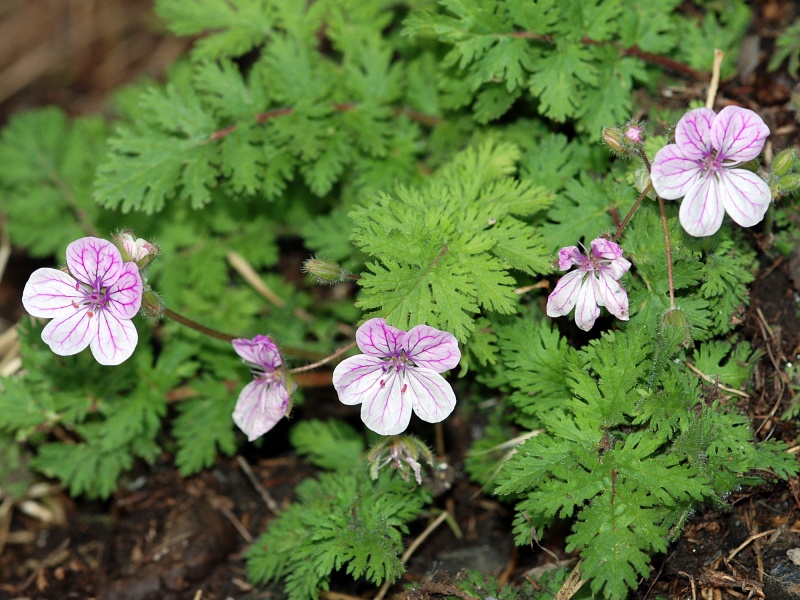
Redstem stork's bill
(Erodium cicutarium)
Also Known As
Redstem stork's bill, Redstem filaree, Common stork's bill, Heron's bill, California filaree
About This Plant
Erodium cicutarium is a flowering plant species that belongs to the Geranium family. It is commonly known as Redstem Filaree due to its red stems and long, narrow leaves that resemble those of a carrot. The plant is native to Europe, but it has been introduced to other parts of the world such as North America, South America, and Australia. It is an annual or biennial plant that grows up to 60cm tall.
Plant Care Instructions
Outdoor Size Range
6-24 inches (15-60 cm)
Light Requirements
Redstem Filaree prefers full sun to partial shade. It can tolerate some shade, but it blooms best in full sun.
Humidity Needs
Redstem Filaree prefers low to moderate humidity levels.
Fertilizing Schedule
The plant does not require a lot of fertilizer. Apply a balanced fertilizer once a month during the growing season.
Pruning Guidelines
The plant does not require pruning, but you can deadhead spent flowers to encourage more blooms.
Common Pests and Diseases
Redstem Filaree is relatively pest-free, but it can be affected by spider mites and aphids.
Indoor Size Range
N/A
Watering Schedule
The plant is drought-tolerant and does not require a lot of water. Water it deeply once a week during the growing season, and reduce watering in the winter when the plant is dormant.
Temperature Range
The plant can tolerate a wide range of temperatures, from as low as -15°C (5°F) to as high as 40°C (104°F).
Growing Season
Redstem Filaree grows from spring to fall.
Growing Difficulty Level
Redstem Filaree is easy to grow and is suitable for beginner gardeners.
USDA Hardiness Zones
Redstem Filaree is hardy in USDA hardiness zones 3-10.
Did You Know?
Redstem Filaree has been used for medicinal purposes for centuries. It was used by the Greeks to treat wounds and stop bleeding, and by Native Americans to treat respiratory ailments.
