Special Web Offer - Get 50% OFF!
Grab Your Deal Now
PlantSnap
Plant Care
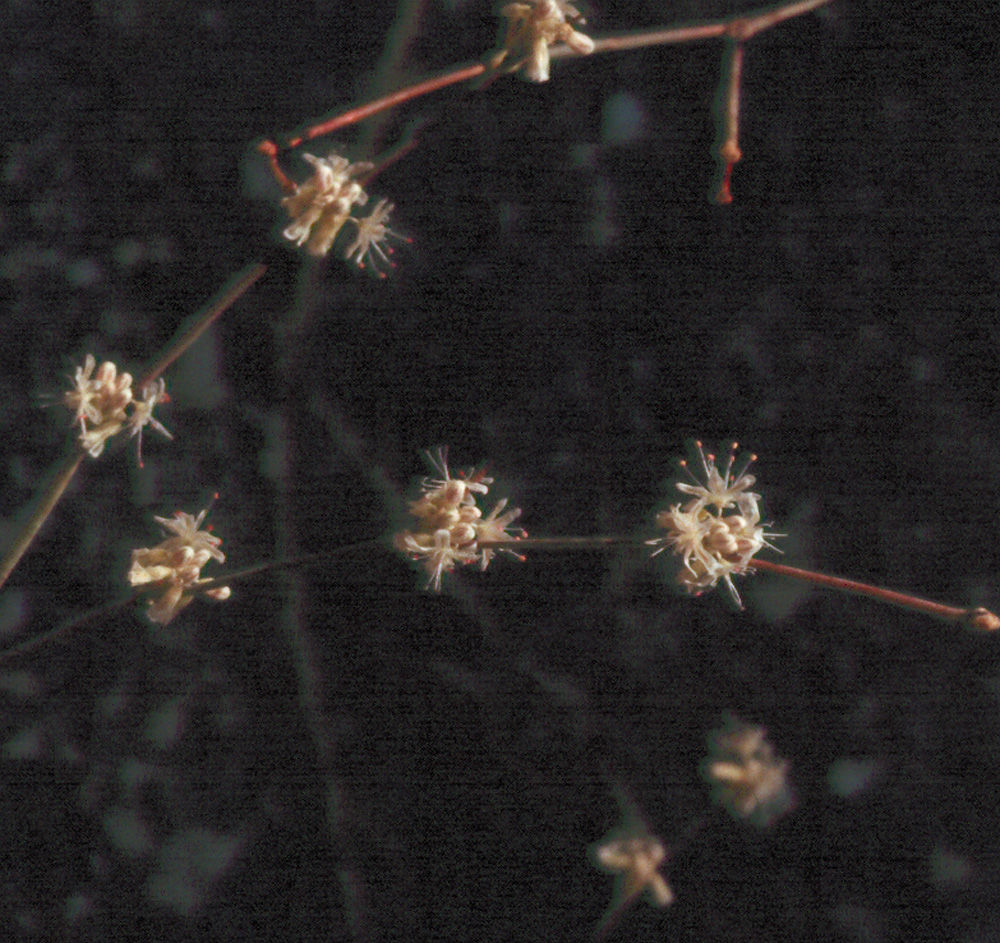
Bailey's buckwheat
(Eriogonum baileyi praebens)
Also Known As
Bailey's buckwheat, Praebens buckwheat
About This Plant
Eriogonum baileyi praebens is a species of wild buckwheat that is native to the southwestern United States. It is a low-growing, perennial herb that typically grows in rocky or gravelly soils in desert grasslands and sagebrush scrub habitats. The plant has a woody base and produces clusters of small, white or pink flowers in the summer.
Plant Care Instructions
Outdoor Size Range
6-12 inches (15-30 cm)
Light Requirements
Bailey's Buckwheat prefers full sun and can tolerate partial shade.
Humidity Needs
Bailey's Buckwheat prefers low humidity environments and is well-suited to dry, arid climates.
Fertilizing Schedule
This plant does not require much fertilization, but a light application of a balanced fertilizer in the spring can help promote healthy growth.
Pruning Guidelines
Pruning is generally not necessary for Bailey's Buckwheat, but deadheading spent flowers can help promote additional blooms.
Common Pests and Diseases
This plant is relatively pest-free, but can be susceptible to root rot if overwatered.
Indoor Size Range
N/A
Watering Schedule
This plant is drought-tolerant and does not require much watering once established. Water deeply but infrequently.
Temperature Range
This plant is hardy to USDA zones 5-9 and can tolerate a wide range of temperatures. It is well-suited to hot, dry climates.
Growing Season
Bailey's Buckwheat typically blooms in the summer months, from June to August.
Growing Difficulty Level
Bailey's Buckwheat is a relatively easy plant to grow, as it is well-suited to dry, arid climates and does not require much maintenance once established.
USDA Hardiness Zones
5-9
Did You Know?
Bailey's Buckwheat is an important plant for pollinators, as it is a major nectar source for bees and butterflies in its native range.