Special Web Offer - Get 50% OFF!
Grab Your Deal Now
PlantSnap
Plant Care
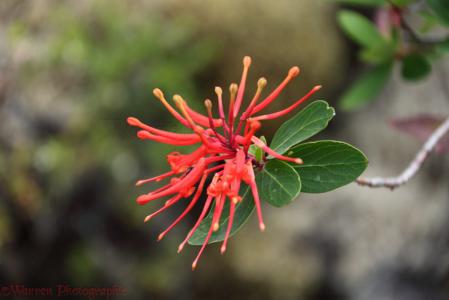
Chilean firebush
(Embothrium coccineum)
Also Known As
Chilean firebush, Firebush, Embothrium
About This Plant
Embothrium coccineum is a species of evergreen tree or shrub that belongs to the Proteaceae family. It is native to South America and is known for its striking red flowers, which bloom in the spring and summer. The plant can grow up to 10 meters (33 feet) tall and has a dense, bushy growth habit.
Plant Care Instructions
Outdoor Size Range
15-30 feet (4.5-9 meters) tall and 10-20 feet (3-6 meters) wide
Light Requirements
Embothrium coccineum prefers full sun to partial shade. It can tolerate some shade but will not flower as well in low light conditions.
Humidity Needs
Embothrium coccineum prefers moderate humidity levels, but can tolerate low humidity conditions.
Fertilizing Schedule
The plant benefits from regular fertilization during the growing season, using a balanced fertilizer with equal parts nitrogen, phosphorus, and potassium. Fertilizer should be applied every 4-6 weeks.
Pruning Guidelines
Embothrium coccineum requires minimal pruning, but can be shaped or trimmed as needed after flowering. Dead or damaged branches should be removed promptly.
Common Pests and Diseases
The plant is generally resistant to pests and diseases, but can be susceptible to scale insects and spider mites.
Indoor Size Range
Not suitable for indoor cultivation
Watering Schedule
The plant requires regular watering during the growing season, but the soil should be allowed to dry out slightly between waterings. It is important not to overwater the plant, as this can lead to root rot.
Temperature Range
The plant prefers cool to moderate temperatures, between 50-75°F (10-24°C). It can tolerate brief periods of frost, but is not suitable for areas with prolonged freezing temperatures.
Growing Season
The growing season for Embothrium coccineum is in the spring and summer. The plant may go dormant in the winter in colder climates.
Growing Difficulty Level
Embothrium coccineum is moderately difficult to grow, as it requires specific growing conditions and can be slow to establish. It is best suited for experienced gardeners or those willing to put in the extra effort to maintain its needs.
USDA Hardiness Zones
Embothrium coccineum is hardy in USDA zones 8-10.
Did You Know?
In its native habitat, Embothrium coccineum is an important food source for the endangered huemul deer.
