Special Web Offer - Get 50% OFF!
Grab Your Deal Now
PlantSnap
Plant Care
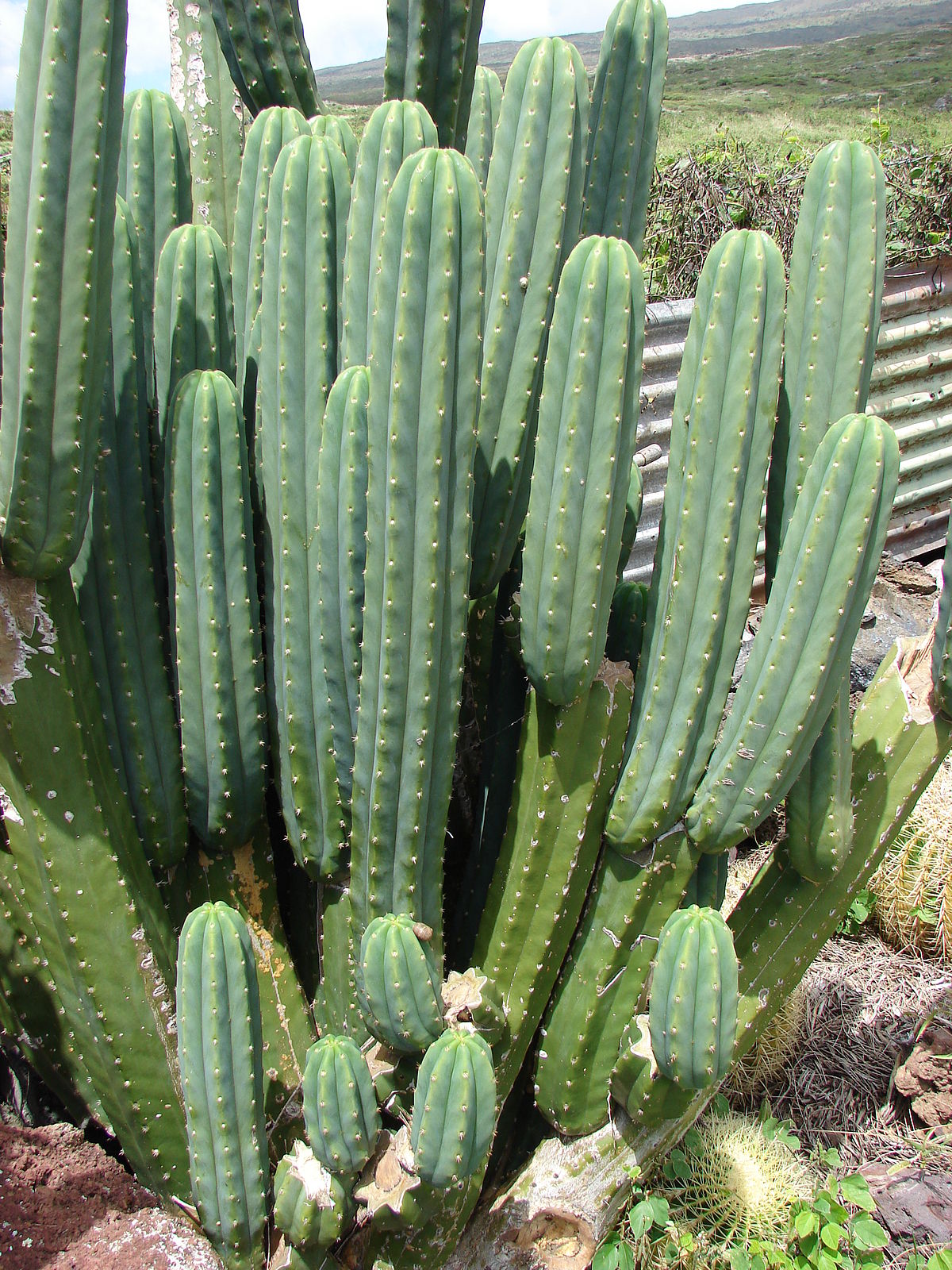
San pedro cactus
(Echinopsis pachanoi)
Also Known As
San pedro cactus, Huachuma, Echinopsis, Old man cactus
About This Plant
Echinopsis pachanoi, commonly known as San Pedro cactus, is a fast-growing columnar cactus native to the Andes Mountains of Peru, Bolivia, and Ecuador. It is a popular ornamental plant and is also used in traditional medicine and shamanic practices.
Plant Care Instructions
Outdoor Size Range
10-20 feet (3-6 meters)
Light Requirements
San Pedro cactus prefers full sun to partial shade. When grown indoors, it should be placed near a sunny window.
Humidity Needs
San Pedro cactus prefers dry air and does not require high humidity.
Fertilizing Schedule
San Pedro cactus should be fertilized during the growing season (spring and summer) with a balanced fertilizer. Do not fertilize during the dormant season (fall and winter).
Pruning Guidelines
San Pedro cactus does not require regular pruning, but can be pruned to control its size or shape. Prune in the spring before new growth appears.
Common Pests and Diseases
Common pests of San Pedro cactus include mealybugs, scale insects, and spider mites. Diseases such as root rot can also be a problem if the soil is kept too wet.
Indoor Size Range
6-10 feet (1.8-3 meters)
Watering Schedule
San Pedro cactus is drought-tolerant and should be watered sparingly. Allow the soil to dry out completely before watering again.
Temperature Range
San Pedro cactus can tolerate a wide range of temperatures, from 20-100°F (-6-38°C). However, it prefers temperatures between 60-90°F (15-32°C).
Growing Season
The growing season for San Pedro cactus is spring and summer.
Growing Difficulty Level
San Pedro cactus is relatively easy to grow, but can be slow-growing and requires patience. It is also a large plant that requires a lot of space.
USDA Hardiness Zones
San Pedro cactus is hardy in USDA zones 8-10.
Did You Know?
San Pedro cactus has been used for thousands of years in traditional medicine and shamanic practices in South America. It contains mescaline, a psychoactive compound that can induce hallucinations and altered states of consciousness.