Special Web Offer - Get 50% OFF!
Grab Your Deal Now
PlantSnap
Plant Care
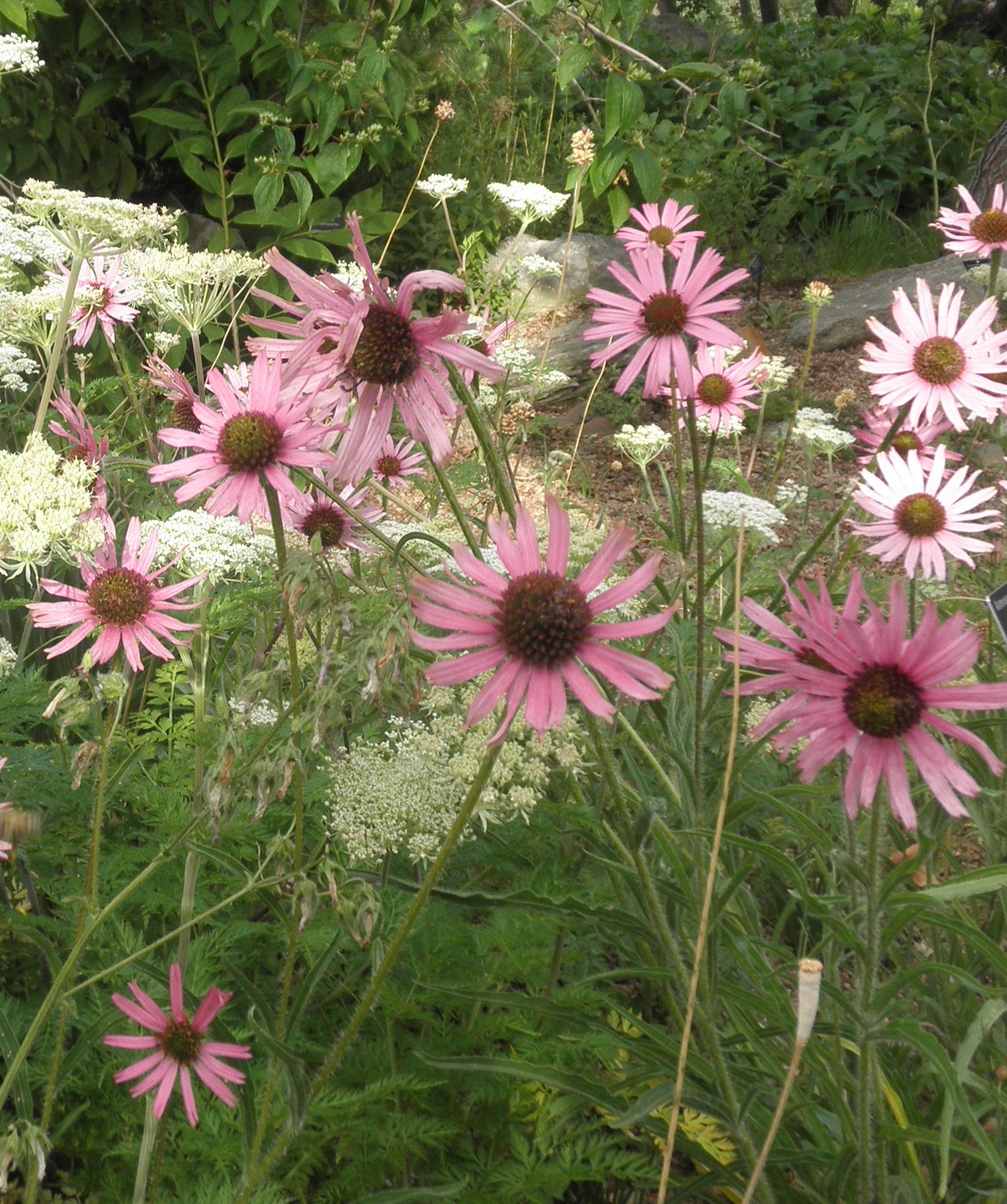
Tennessee coneflower
(Echinacea tennesseensis)
Also Known As
Tennessee coneflower, Tennessee echinacea, Purple coneflower
About This Plant
Echinacea tennesseensis is a herbaceous perennial plant species that belongs to the Asteraceae family. It is commonly known as Tennessee coneflower and is native to the southeastern United States. The plant has a single stem that grows up to 2 feet (60 cm) tall with several branches. The leaves are lance-shaped, hairy, and up to 6 inches (15 cm) long. The flowers are pink to purple in color, with a cone-shaped center and drooping petals.
Plant Care Instructions
Outdoor Size Range
1-2 feet (30-60 cm)
Light Requirements
Echinacea tennesseensis requires full sun to partial shade. It is best to plant it in a location that receives at least 6 hours of direct sunlight per day.
Humidity Needs
Echinacea tennesseensis is adaptable to different humidity levels, but it prefers a dry environment.
Fertilizing Schedule
Fertilize the plant with a balanced fertilizer once a month during the growing season (spring to fall).
Pruning Guidelines
Prune the plant in early spring before new growth appears. Cut back the stems to 6 inches (15 cm) above the ground to promote bushier growth.
Common Pests and Diseases
Echinacea tennesseensis is relatively pest-free, but it can be affected by aphids, spider mites, and powdery mildew.
Indoor Size Range
Not suitable for indoor growth
Watering Schedule
The plant requires moderate watering in well-drained soil. Water the plant when the top 1-2 inches (2.5-5 cm) of soil are dry to the touch.
Temperature Range
The plant can tolerate a wide range of temperatures, from -10°F (-23°C) to 100°F (38°C).
Growing Season
The growing season for Echinacea tennesseensis is from spring to fall.
Growing Difficulty Level
Echinacea tennesseensis is moderately difficult to grow, as it requires specific growing conditions and can be affected by pests and diseases.
USDA Hardiness Zones
USDA hardiness zones 5a to 8b.
Did You Know?
Echinacea tennesseensis is one of the rarest plants in the southeastern United States and is considered critically endangered.
